🌙 Why Your Child’s Sleep Might Be Affecting Their Behavior And What You Can Do About It
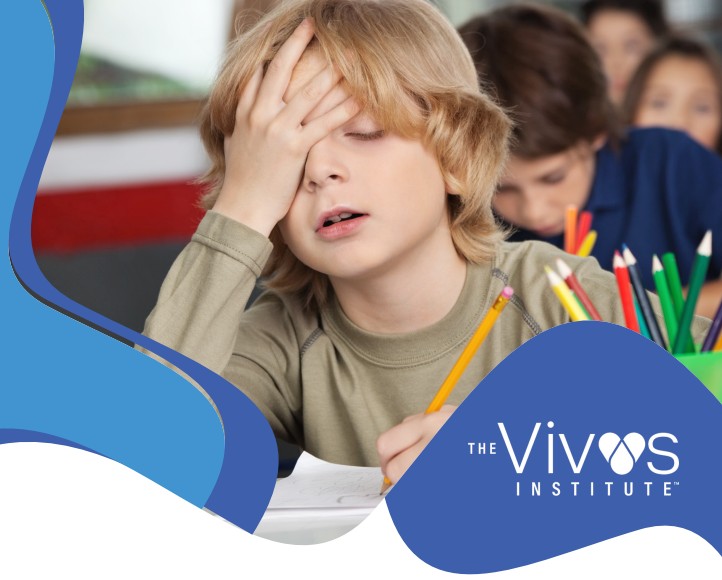
Most parents expect tired kids to look… well, tired. But children don’t behave like adults when they’re not sleeping well. Instead of yawning or slowing down, many become hyperactive, emotional, unfocused, or restless. It’s one of the biggest reasons sleep‑related breathing issues are often mistaken for behavior problems.
😴 When Sleep Problems Look Like Something Else
If a child’s airway is narrow—often because the jaws haven’t fully developed—the tongue can fall back during sleep and block airflow. Imagine trying to drink through a pinched straw. That’s what their breathing feels like at night.
The result?
Their brain never gets the deep, restorative sleep it needs. And the next day, instead of acting sleepy, they may:
- Struggle to focus
- Bounce from task to task
- Have emotional outbursts
- Grind their teeth
- Snore or mouth breathe
- Wake up with dark circles
- Experience bedwetting or night terrors
These are warning signs, not personality traits.
🧠 The Root Cause: Growing Jaws, Growing Airway
Today’s children often don’t develop wide, healthy jaws the way nature intended. Softer diets, allergies, mouth breathing, and habits like thumb sucking can all play a role. When the jaws don’t grow enough, the airway stays small—and sleep suffers.
The good news?
Children are still growing. Their bones are adaptable, which means we can guide jaw development early and help open the airway naturally.
🌟 A Modern, Non‑Surgical Solution
FDA‑cleared oral appliances—similar to a soft mouthguard—can gently encourage the jaws to grow in the right direction. As the jaws widen, the tongue has room to rest where it belongs, and the airway opens.
This can lead to:
- Better sleep
- Calmer days
- Improved focus
- Fewer nighttime disruptions
- Healthier facial and dental development
For children with diagnosed sleep apnea or significant airway concerns, custom appliances are available that are specifically cleared for pediatric use.
👪 What Parents Can Expect
Treatment is simple and kid‑friendly:
- Evaluation – A gentle exam and sometimes an at‑home sleep test
- Wearing the Appliance – Usually at night, sometimes a few hours in the evening
- Regular Check‑Ins – Every 4–6 weeks
Long‑Term Benefits – Better breathing, better sleep, better development
💛 The Bottom Line
If your child snores, mouth breathes, grinds their teeth, or struggles with focus or behavior, it may not be “just a phase.” It could be a sign that their airway needs support.
Early intervention doesn’t just help them sleep better—it helps them grow better.