TMJ & Jaw Pain Treatment in Newtown, PA
Jaw pain, clicking, popping, headaches — your jaw joint may be telling you something.
Understanding TMJ Disorder
What the TMJ Actually Is
TMJ refers to the temporomandibular joint, and it is a hinge that joins your jaw to the temporal bones of your skull. This joint is made up of bone, disc, synovial cavity, ligaments, and muscles that allow you to move your jaw side to side and up and down. It facilitates chewing, talking, and yawning. In some cases, there can be a problem with this joint — and that is referred to as a Temporomandibular Joint Disorder, or TMD.
Common Causes
The primary cause of TMJ disorder is problems with the jaw muscles or the jaw joint itself. Injuries to the jaw, neck, and head can lead to TMJ Disorder. Common causes include whiplash, clenching or grinding of teeth, arthritis, and stress that causes clenching and tightening of facial muscles and the jaw. Notably, 77% of people who clench their teeth at night have Sleep Apnea or Upper Airway Resistance Syndrome — which is why we often look at airway alongside TMJ.
Symptoms to Watch For
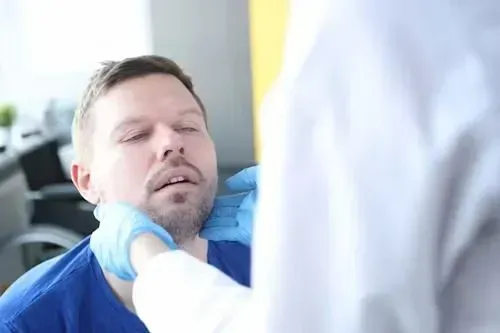
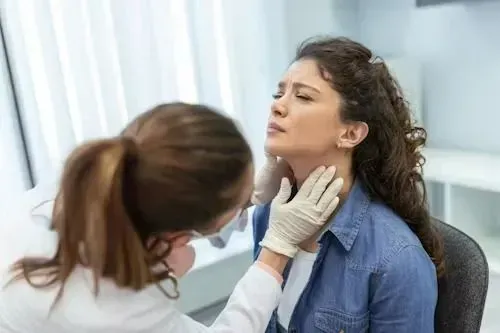
TMJ disorder can be quite painful and cause a large amount of discomfort. Common symptoms include difficulty opening the mouth, jaws that get stuck open or closed, a clicking or popping sound while moving the mouth or chewing, or tenderness and pain in the face, neck, jaw, and around the ear. Other symptoms include headaches, toothaches, dizziness, ringing in the ear, and upper shoulder pain.
How We Treat TMJ Disorder
It is essential to seek assistance from a dental expert to treat TMJ disorder. Cases can be simple to complex, and may involve other integrative healthcare recommendations. Here is how we can help:
- Over-the-counter solutions — we may recommend a way to soothe dental swelling and pain when present, plus ways to relax muscles and avoid clenching or grinding
- Nightguard or splint — one of the most recommended TMJ treatments, a plastic mouthpiece that prevents your upper and lower teeth from touching, minimizing the effect of grinding or clenching
- Orthotic appliances — a variety of orthotic appliances for TMJ therapy that help with bruxism, headaches, migraines, breathing, and tongue-related concerns
- Dental work — when teeth are missing, shifting can occur and set off an imbalance. Replacing missing teeth can balance the biting surface and correct bite problems. Dental surgery is recommended only in severe cases
Why TMJ and Airway Often Travel Together
Many TMJ patients also have airway issues, and many airway patients also have TMJ symptoms. The connection: when the airway is restricted, the body unconsciously postures the jaw to keep breathing open. Over time, that causes muscle tension, joint strain, and pain. Treating the TMJ without addressing the airway often gives only partial relief. That's why we evaluate both.
What is TMJ disorder?
TMJ disorder (TMD) is a problem with the temporomandibular joint, the hinge that connects your jaw to your skull. Symptoms can include jaw pain, clicking or popping when you chew, jaw locking, headaches, ear ringing, and neck or shoulder pain. Causes range from clenching, grinding, and stress to whiplash, arthritis, or airway-related muscle tension.
How much does TMJ treatment cost in Newtown, PA?
Cost depends on what your case involves — a custom nightguard, an orthotic appliance, or a more involved bite-correction plan. We are transparent with our fees before any treatment. Alphaeon and CareCredit financing is available.
Does TMJ treatment hurt?
Treatment itself doesn't hurt — most cases involve a custom-fit nightguard or appliance, which feels like a Sports Mouthguard. Many patients feel relief within the first few nights. For more advanced cases, we may use orthotic appliances that gently reposition the jaw, also non-painful but with an adjustment period.
How long does TMJ treatment take?
It varies widely. A simple nightguard provides relief in days. Orthotic appliance therapy or bite correction can run several months. Cases connected to airway issues may involve treating both. We give you a clear timeline at your consultation, after we've evaluated what's actually going on.

TMJ Treatment in Newtown, PA
➔ Custom nightguards and orthotic appliances
➔ Integrative approach — not just the joint, the whole picture
➔ Often connected to airway and sleep concerns
➔ Coordinated care for complex cases
Frequently Asked Questions
Is my jaw clicking a problem?
Not always. Clicking without pain often doesn't need treatment. Clicking with pain, locking, or limited opening should be evaluated. Catching TMJ issues early is much easier than treating advanced cases.Could my headaches be from TMJ?
They could. Many patients with chronic headaches — especially morning headaches, tension headaches, or headaches around the temples — turn out to have TMJ involvement, often with a sleep or airway component. A careful evaluation of your jaw, bite, and airway often reveals the connection.Do I need to see a TMJ specialist?
Most TMJ cases can be successfully managed in our office. For very complex cases involving advanced joint damage or surgical needs, we coordinate with specialists. We'll be straightforward about what we can and can't treat.Will my insurance cover TMJ?
Coverage varies. Dental insurance generally covers nightguards. We're transparent with our fees so you always know what to expect before any treatment is scheduled, and Alphaeon and CareCredit financing is available.
The Mouth-Body Connection —
Lantzy DMD Blog
Dementia prevention. Sleep apnea. Why your child's behavior might be a breathing problem. Dr. Bob writes about the things most dentists don't, because he believes patients deserve to understand what's really going on.
Explore the Link Between Your Oral Health and Overall Vitality
Discover the five surprising ways your dental health affects your overall health with our free resource, The Mouth-Body Connection: Why Your Oral Health Shapes Your Whole Health.