Dental Sealants in Newtown, PA
Seal up the deep grooves in molars before decay can start. Quick, painless, effective.
Preventing Cavities Before They Start
Why Molars Need Help
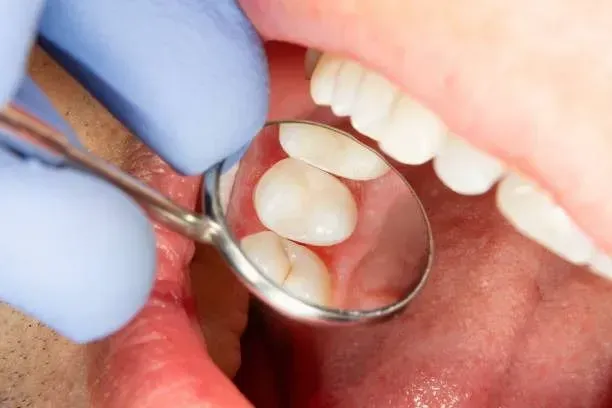
Our teeth play an important role in our lives, and we need to make sure that we keep them protected. The back teeth, called molars, often develop with deeper grooves than a toothbrush bristle can clean out. The problem is that food gets stuck in these deep grooves and can develop into decay. It doesn't take long for decay in a primary tooth to cause ouches.
How a Dental Sealant Works
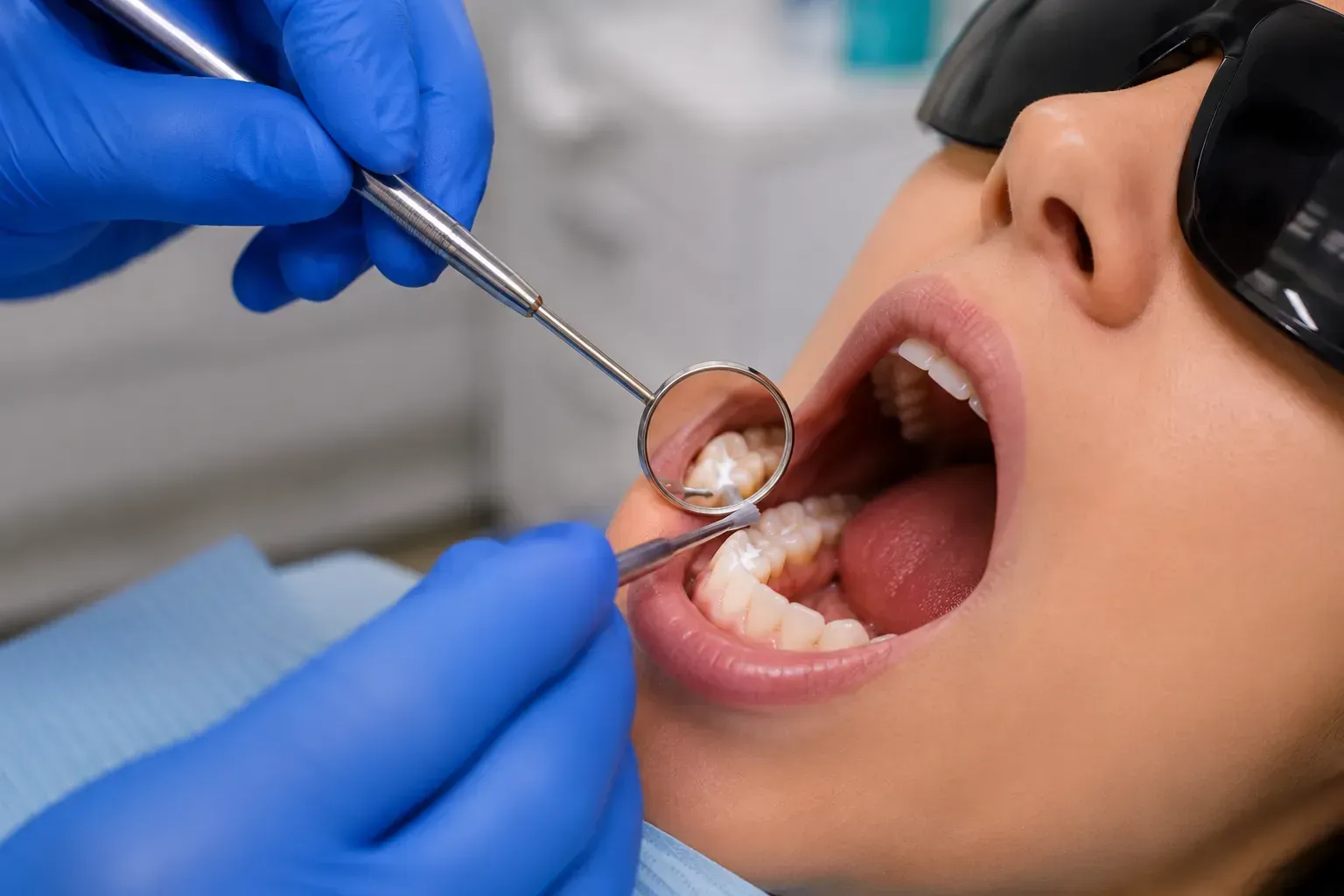
When a sealant is placed, the deep groove is professionally cleaned out and prepared to accept the sealant. Sealant material is bonded into the deep groove, essentially sealing it up. This allows the toothbrush to sweep away the food — harmful bacteria and acid too. In this manner, it prevents decay from forming.
When Is the Right Time
Sealants are most effective when applied to newly erupted permanent molars — typically around ages 6-7 for the first molars and ages 11-12 for the second molars. The sealant works best when applied before any decay has started. Adults with deep grooves and no decay can also benefit, especially if they're cavity-prone.
Quick, Painless, No Anesthesia
Sealant placement takes just a few minutes per tooth, requires no anesthesia, and your child can eat normally right after. The tooth is cleaned and dried, the sealant material is painted on, and a curing light hardens it in place. That's it. No drill, no shot, no recovery time.
How We Monitor Them
Sealants get monitored to ensure they continue to provide coverage. By utilizing dental sealants, we can help to protect those often-missed areas of your teeth from food and bacteria. The use of dental sealants is extremely safe for your teeth and overall health. At every cleaning visit, we check that your sealants are still intact. If a sealant has worn off in a spot, we touch it up — they're not permanent, but they're easy to maintain.
What is a Dental Sealant?
A dental sealant is a thin, bonded coating applied to the chewing surface of back teeth — usually molars — to seal off the deep grooves where food and bacteria get trapped. Once the groove is sealed, your toothbrush can clean the tooth surface effectively. Sealants help prevent decay from starting in the first place.
How much do sealants cost in Newtown, PA?
Sealants are one of the most cost-effective preventive treatments. We are transparent with our fees before any treatment. Most PPO insurance plans cover sealants for children at high cavity risk; coverage for adults varies. We file claims as a courtesy and offer Alphaeon and CareCredit financing for any out-of-pocket portion.
Do sealants hurt?
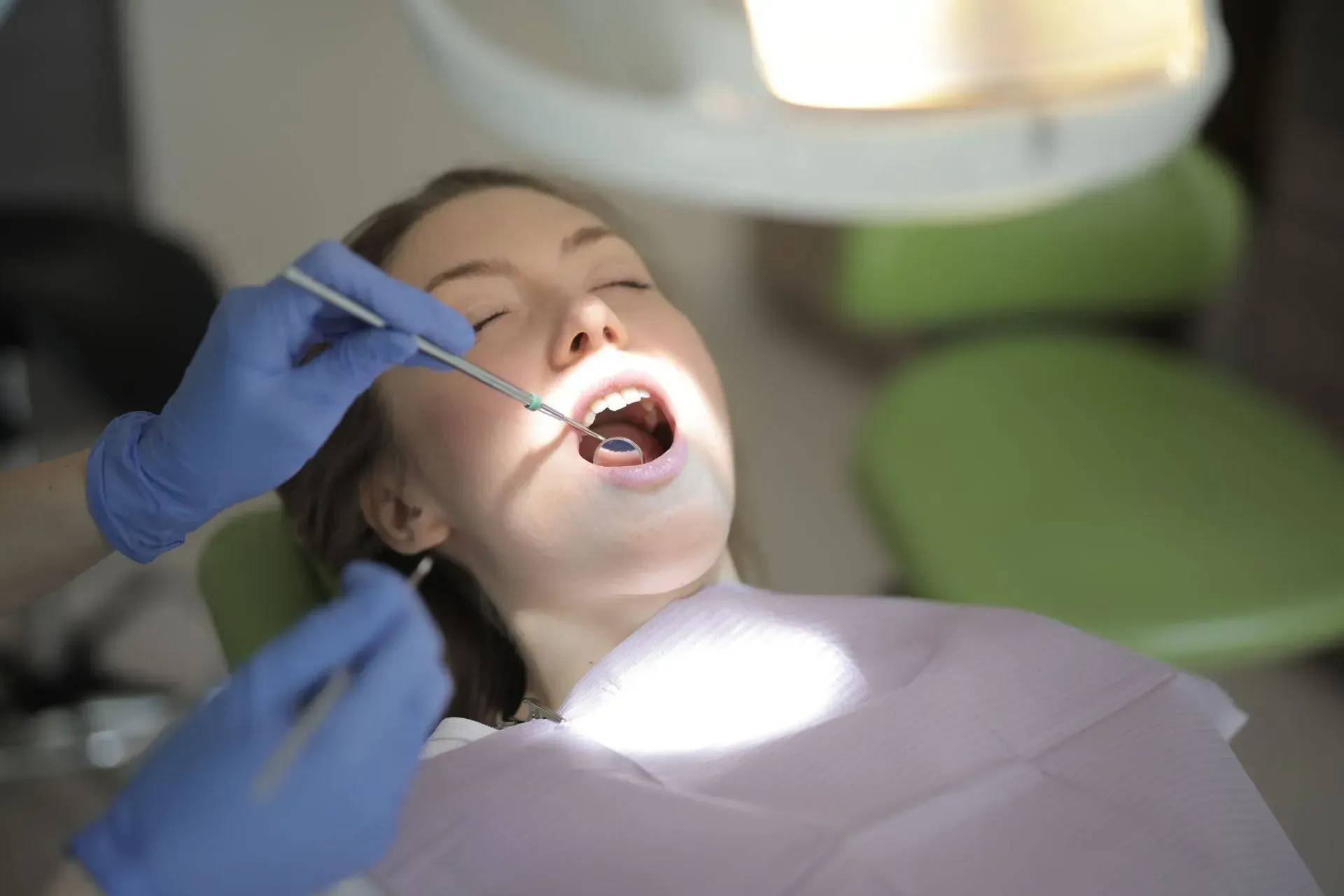
No. Sealant placement is quick and painless — no needles, no drilling, no anesthesia. Your child sits in the chair, the tooth is cleaned, the sealant is painted on, and a curing light hardens it. The whole process takes about 5 minutes per tooth.
How long does a sealant last?
With proper care, dental sealants typically last 5-10 years. They can wear, chip, or be lost over time, especially in patients who grind their teeth or eat very sticky foods. We check your sealants at every cleaning visit and touch them up if needed.
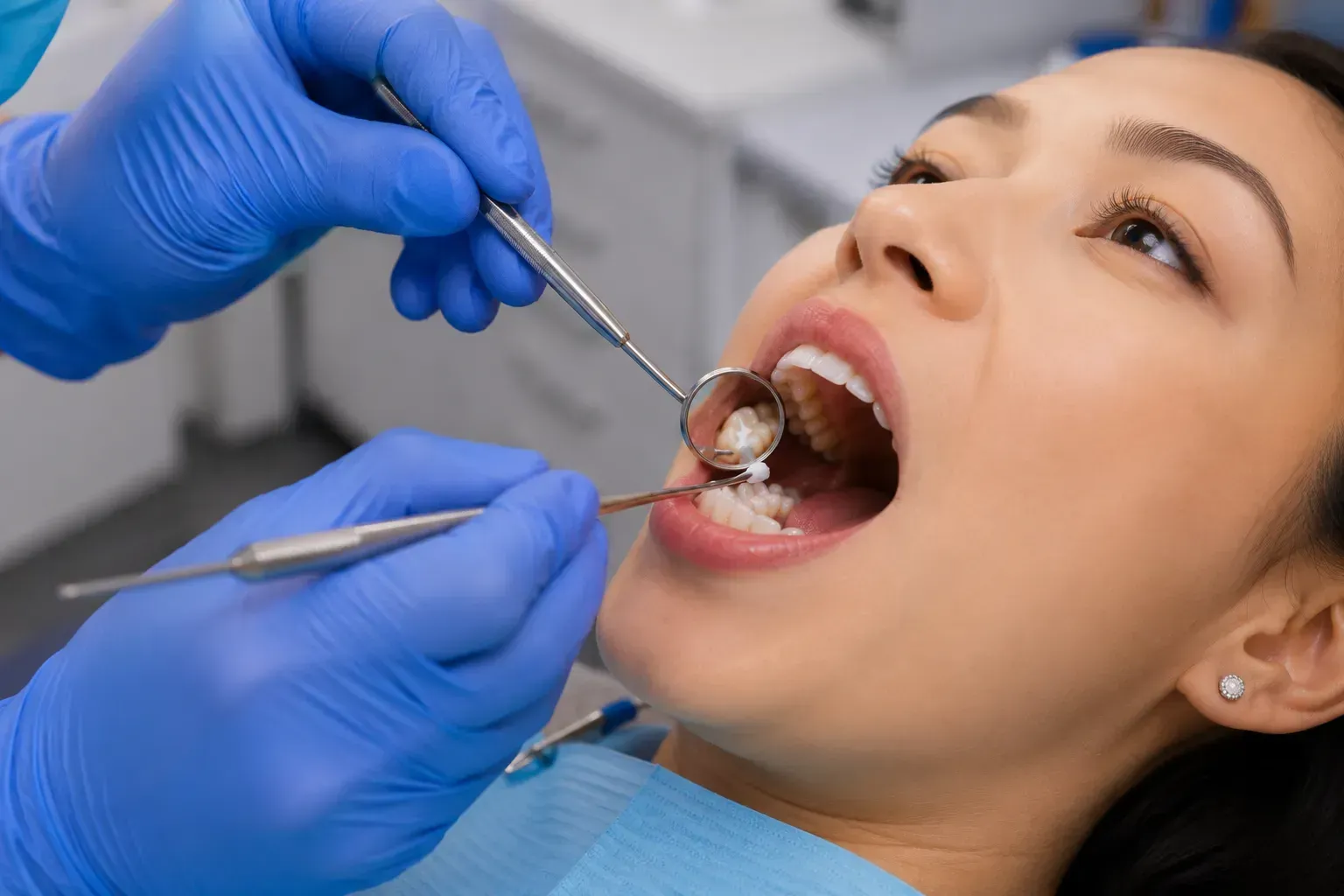
Dental Sealants in Newtown, PA
➔ Quick, painless, no anesthesia needed
➔ Best for newly erupted permanent molars
➔ Protects deep grooves toothbrush bristles can't clean
➔ Monitored at every cleaning to ensure coverage
Frequently Asked Questions
Are sealants safe?
Yes. Sealants are extremely safe — they have decades of research and clinical use behind them. The American Dental Association, the American Academy of Pediatric Dentistry, and other major organizations endorse their use. The materials we use are FDA-approved.Can adults get sealants too?
Yes. While sealants are most commonly placed on children's molars, adults with deep grooves in their molars and no decay can also benefit. If you're cavity-prone or have a history of decay in your back teeth, ask us about sealants at your next visit.Do sealants replace brushing and flossing?
No. Sealants protect the chewing surface of molars, but they don't protect between teeth, along the gum line, or on front teeth. Daily brushing and flossing are still essential. Sealants are an addition to good home care, not a replacement.Will my insurance cover sealants?
Most PPO plans cover sealants for children, especially when applied to permanent molars within a few years of eruption. Coverage for adult sealants varies. We verify your specific benefits before treatment so there are no surprises.
The Mouth-Body Connection —
Lantzy DMD Blog
Dementia prevention. Sleep apnea. Why your child's behavior might be a breathing problem. Dr. Bob writes about the things most dentists don't, because he believes patients deserve to understand what's really going on.
Explore the Link Between Your Oral Health and Overall Vitality
Discover the five surprising ways your dental health affects your overall health with our free resource, The Mouth-Body Connection: Why Your Oral Health Shapes Your Whole Health.