
Tooth-Colored Fillings & Cavities in Newtown, PA
Cavities are common — and treatable. We use bonded, tooth-colored materials. No mercury, ever.
Catch Cavities Early. Treat Them Conservatively.
Why Cavities Form
Cavities are the number one cause of tooth loss, so it is important to know how to identify, prevent, and treat them. Also referred to as tooth decay, cavities are the most common dental problem. Fortunately, cavities can be discovered in early stages and treated simply. Cavities can stem from improper home care, a lack of brushing and flossing, a diet high in sugar, smoking, a lack of fluoride, and the use of drugs that decrease saliva production.
Symptoms — and Why You Might Not Have Them
When cavities are forming, they can have symptoms that are difficult to notice. These symptoms include slight sensitivity to cold and mild discoloration of the tooth surface. As the cavity advances, a dark spot becomes more apparent and the tooth sensitivity will increase. When a cavity reaches the tooth's pulp, it can become painful and you may experience a bad taste in your mouth. If a cavity is not treated at this point, the tooth becomes prone to infection, can abscess, and be lost. When one tooth is lost, the other teeth tend to shift — and that causes additional discomfort.
Why We Use Tooth-Colored Fillings
With advances in today's modern dental technology, we offer a composite resin material that can match the exact color of your tooth. We do not place mercury Amalgam fillings — we haven't for over 35 years. The composite is bonded to your tooth, so the preparation is more conservative (we save more healthy tooth structure), and the result is stronger, more aesthetic, and free from concerns about mercury vapor or thermal stress on the tooth.
Treatment Options by Cavity Size
Depending on the cavity's advancement, there are different types of treatments:
- Fillings — for small cavities, removing the affected portion and replacing with bonded composite or porcelain
- Onlays — for medium cavities, often done in a single visit with CEREC
- Crowns — for larger cavities or fractures, often done in a single visit with CEREC
- Root Canal Therapy — if decay reaches the pulp; typically followed with a crown to protect the tooth (we refer this to a trusted endodontist)
Cavity Prevention
It is in your control to prevent small problems from becoming bigger problems. Here's what helps most:
- Brush at least twice a day, floss at least once a day
- Avoid bathing your teeth in sugary drinks throughout the day
- Visit the dentist every six months for a complete checkup
- Get a professional cleaning twice a year (sooner if tartar buildup is high)
- Replace mouth-breathing with nasal breathing where possible — mouth breathing dries the mouth and accelerates decay
A Note for Parents
Kids who come in with cavities often share a few patterns: they're eating gummies, drinking soda, or snacking on sticky carbs. We tell them what's going on, work with the parent on diet, and get the kid fixed up. Then we see the following years that they're in pretty good shape. They convert from dreading the dentist to a happy dental patient. Catching it early makes all the difference.
What is a Tooth-Colored Filling?
A Tooth-Colored Filling is a dental restoration made from composite resin — a bonded, mercury-free material that matches the exact color of your tooth. The composite acts like normal tooth enamel and can even be whitened. We use Tooth-Colored Fillings for all our cavity work — there is no mercury amalgam in our office.
How much does a Tooth-Colored Filling cost in Newtown, PA?
Cost depends on the size and location of the filling. Small fillings on front teeth are less involved than large fillings on back teeth. We are transparent with our fees before any treatment, and most PPO insurance plans cover composite fillings the same way as amalgam — approximately 98% of the time, your benefit can be applied. Financing through Alphaeon and CareCredit is available for any out-of-pocket portion.
Does getting a filling hurt?
Local anesthesia keeps the procedure comfortable. Most patients describe getting a filling as easier than they expected. After the anesthesia wears off, some mild sensitivity to cold or chewing is normal for a few days, then it fades. If sensitivity persists or gets worse, call us — sometimes the bite needs minor adjustment.
How long does a filling take?
Most fillings are completed in a single visit lasting 30-60 minutes per tooth, depending on size and location. Multiple fillings can sometimes be done in one appointment if they're in the same area of the mouth. We'll give you a clear timeline at your treatment plan.

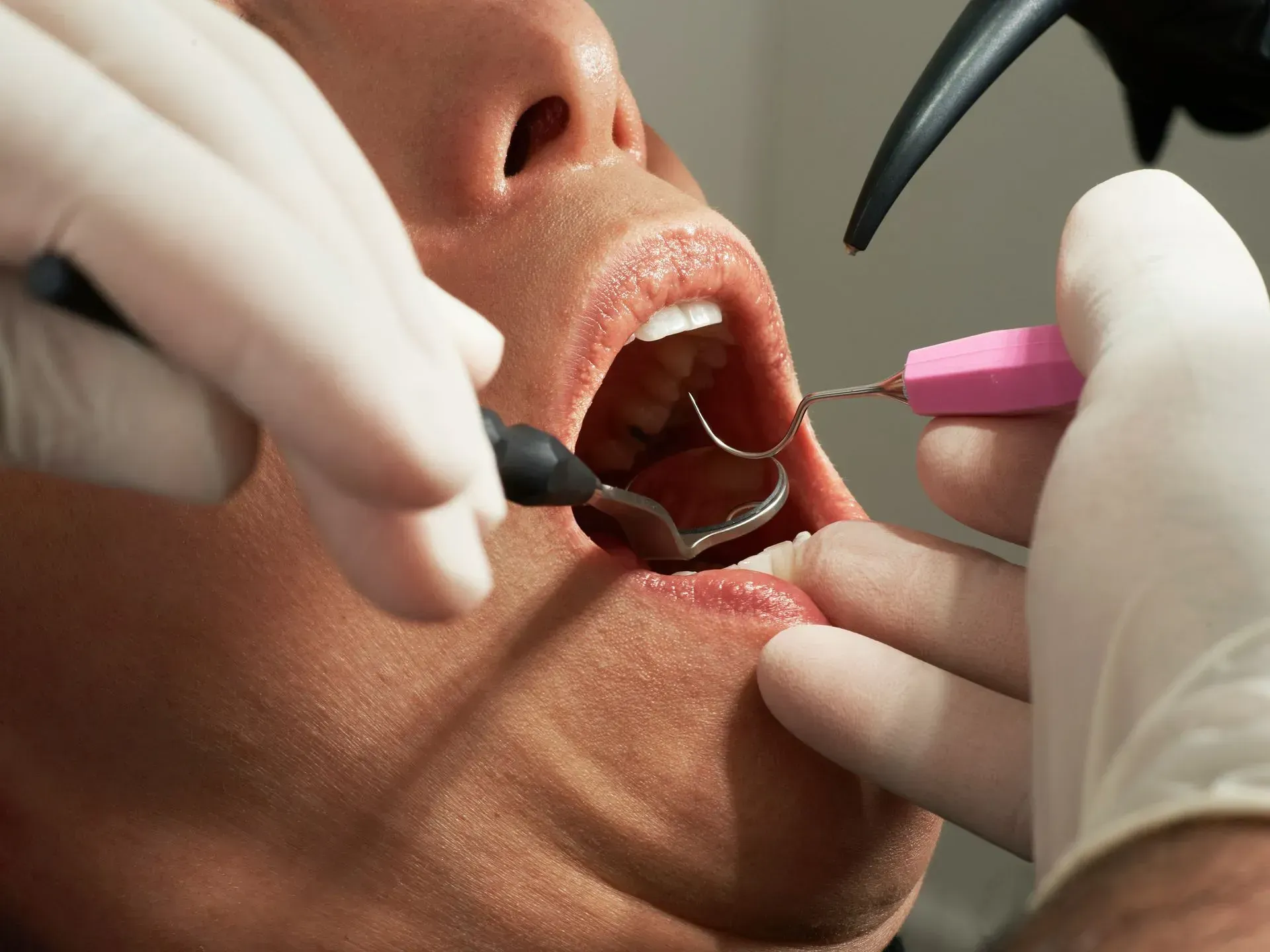

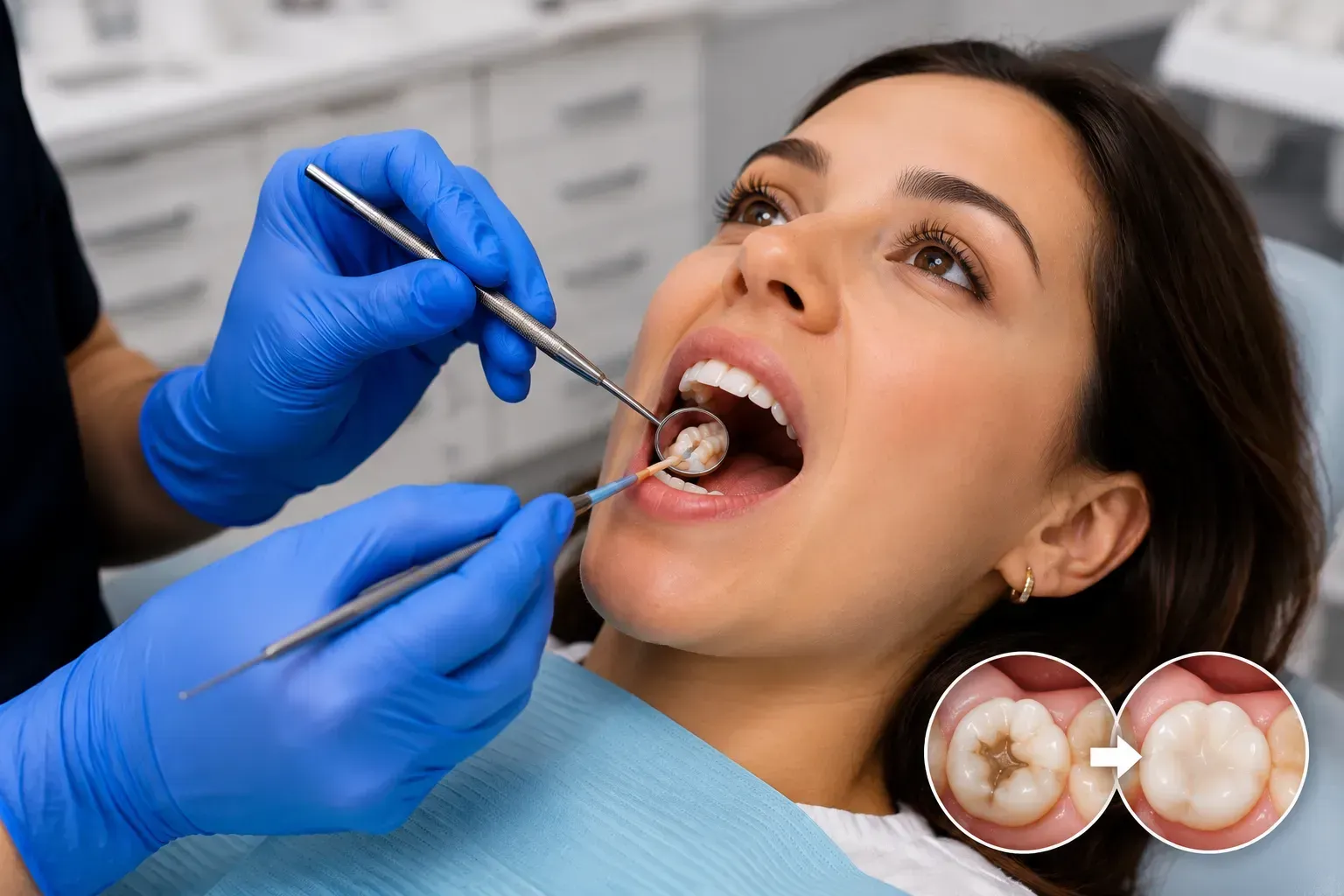
Tooth-Colored Fillings in Newtown, PA
➔ Bonded composite resin — color-matched to your tooth
➔ No mercury amalgam, ever (since the mid-1990s)
➔ Conservative — saves more healthy tooth structure
➔ Smaller cavities = simpler, faster treatment
Frequently Asked Questions
How long do Tooth-Colored Fillings last?
With proper care, composite fillings typically last 7-10 years. They may pick up some staining over time, especially with coffee, tea, or red wine, but they hold their shape and function well. Larger fillings may eventually need to be replaced with a CEREC onlay or crown for greater durability.Will my filling stain?
Composite resin can stain over time — more so than porcelain — though it stains similarly to natural tooth enamel. Daily brushing, regular cleanings, and avoiding heavy staining habits keep fillings looking their best.I have old amalgam fillings. Should I replace them?
Not necessarily. The decision is yours, and it depends on the condition of each filling and your overall health goals. Many patients choose to replace amalgam fillings as they naturally age out. When we do replace them, we use the SMART protocol to protect you and our team from mercury vapor exposure.
Will my insurance cover composite fillings?
Most PPO plans now cover composite fillings the same way as amalgam fillings — about 98% of the time, your benefit applies. Some older plans may pay only the amalgam rate and require you to pay the difference for composite. We verify benefits before treatment so there are no surprises.
The Mouth-Body Connection —
Lantzy DMD Blog
Dementia prevention. Sleep apnea. Why your child's behavior might be a breathing problem. Dr. Bob writes about the things most dentists don't, because he believes patients deserve to understand what's really going on.
Explore the Link Between Your Oral Health and Overall Vitality
Discover the five surprising ways your dental health affects your overall health with our free resource, The Mouth-Body Connection: Why Your Oral Health Shapes Your Whole Health.