Cosmetic Bonding in Newtown, PA
Repair chips, close gaps, and improve your smile in a single visit with tooth-colored bonding.
Quick, Conservative Smile Improvements
What Bonding Is
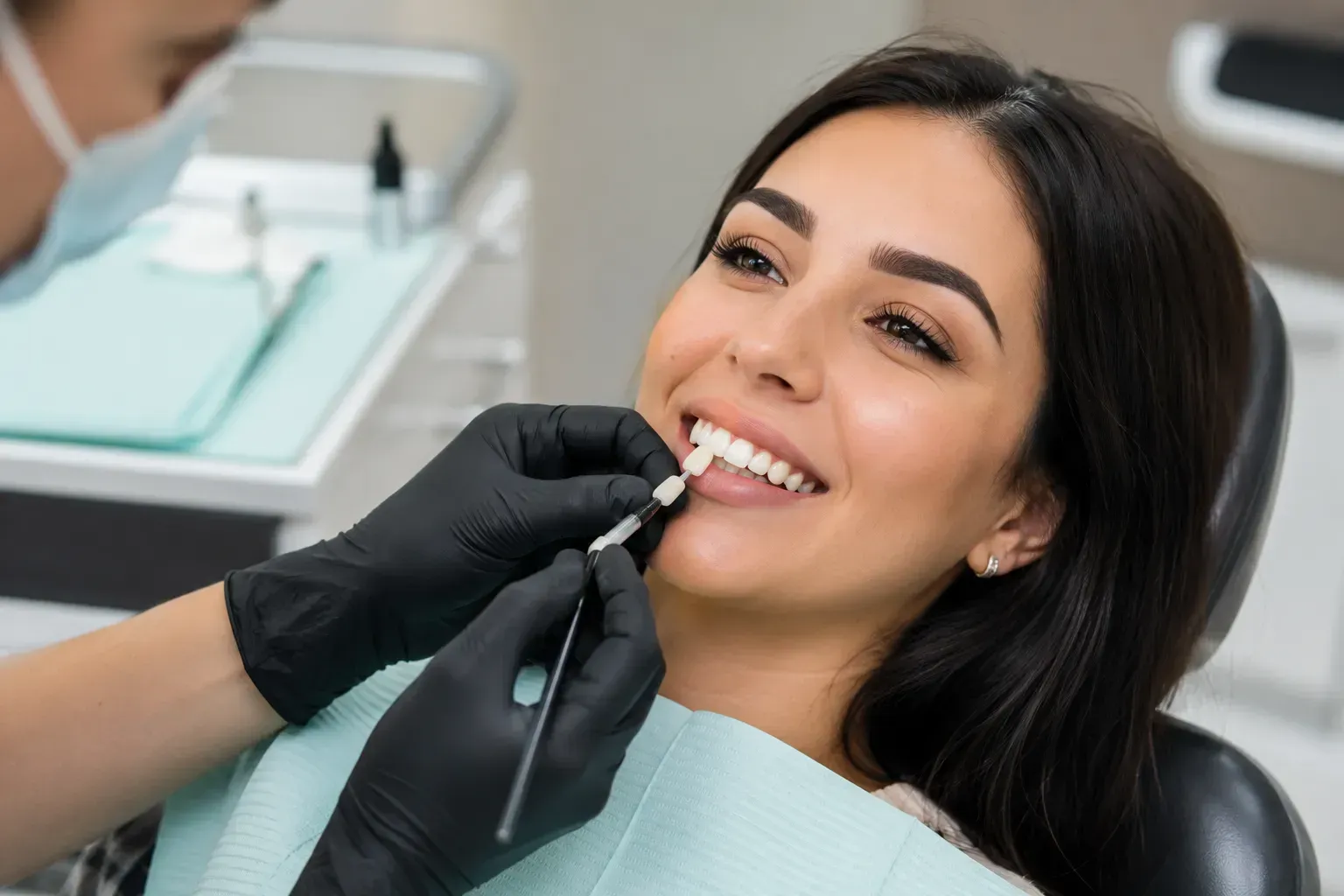
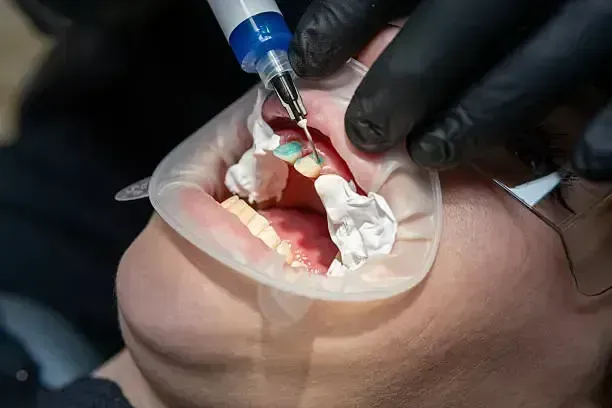
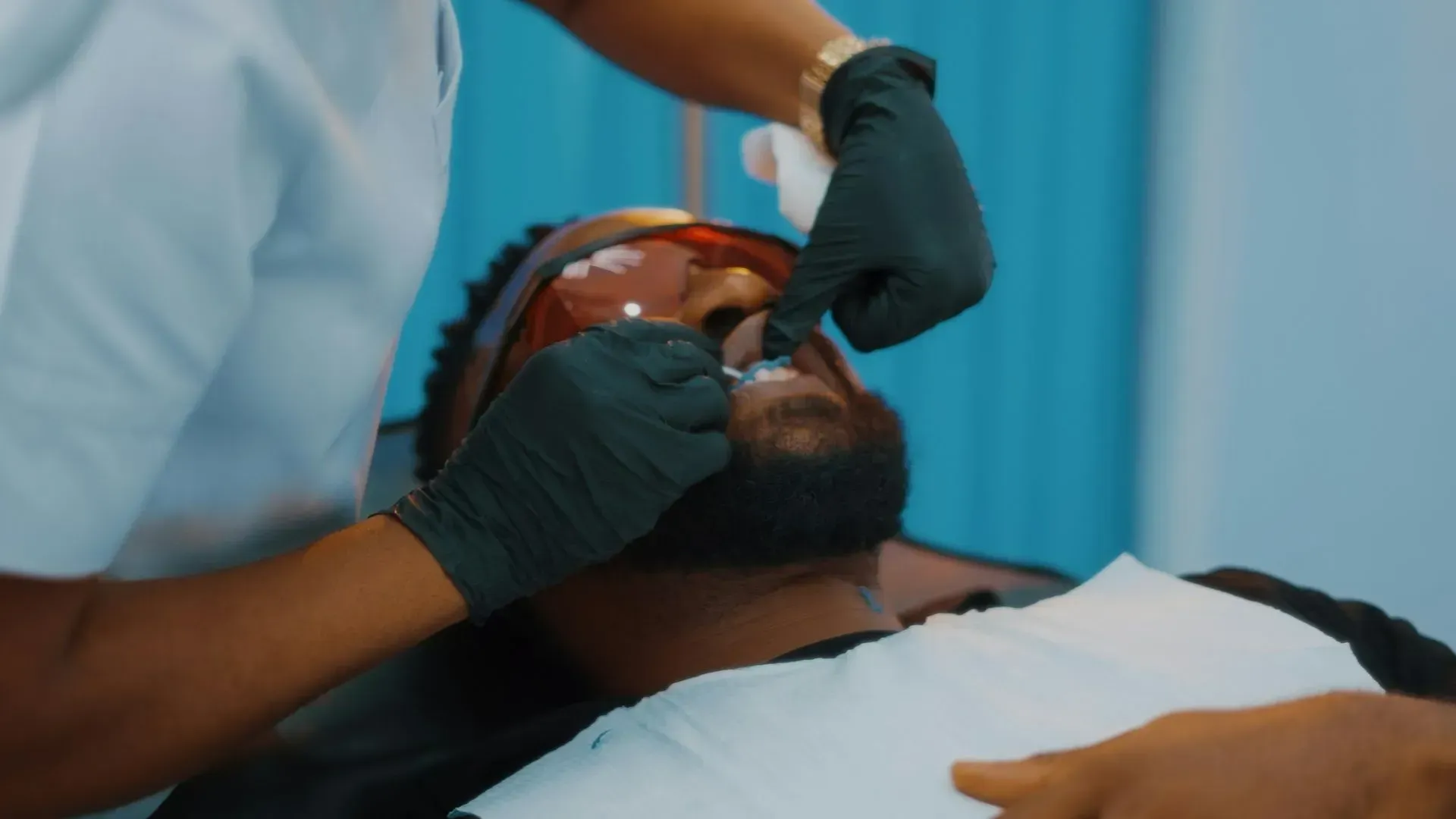
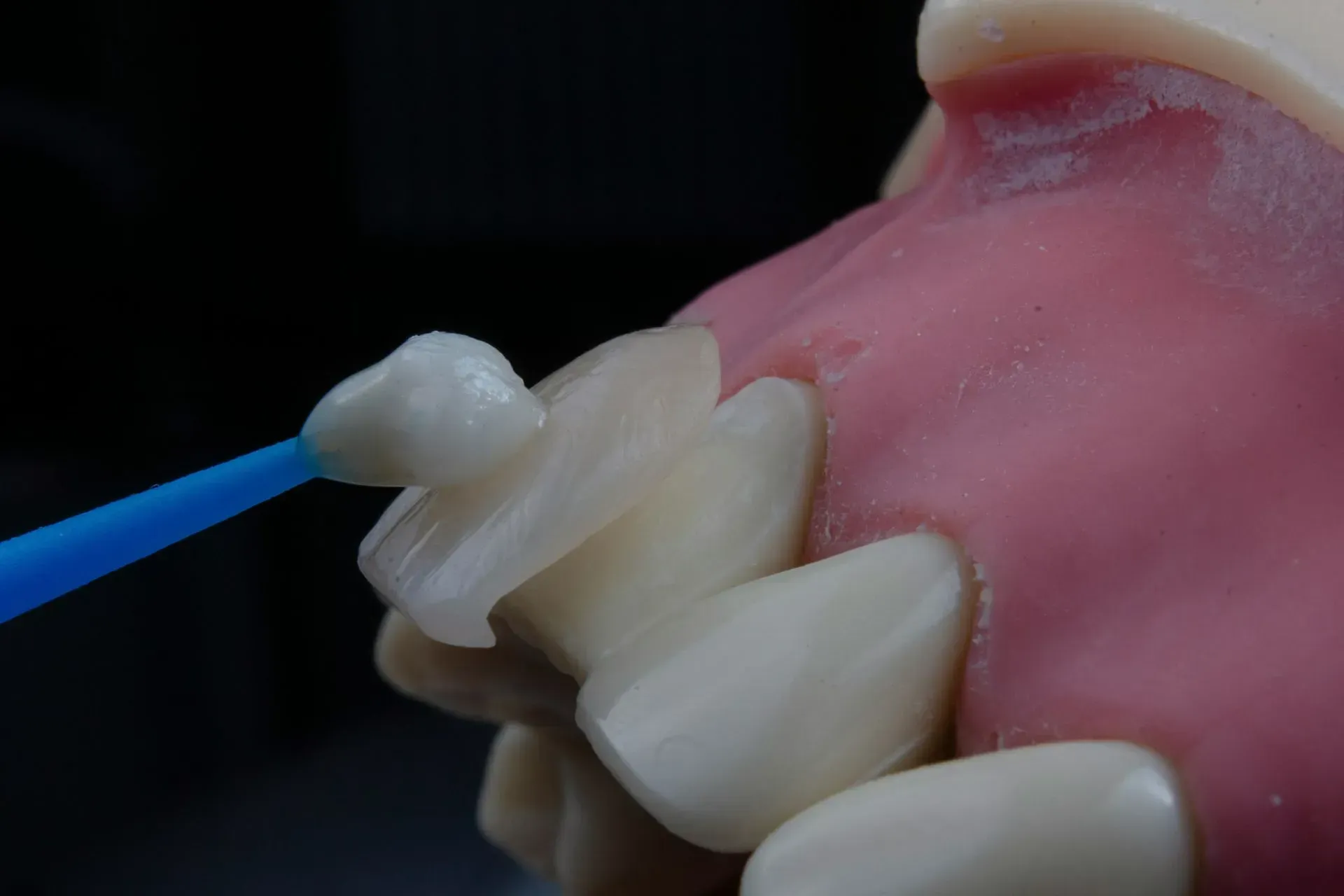
Cosmetic Dental Bonding uses an enamel-like material that is applied to your tooth's surface for an immediate improvement. Dr. Bob sculpts the material into the ideal shape, then hardens and polishes it for a complete restoration of your tooth — eliminating gaps while improving the appearance. What's even better is that this Dental Bonding procedure can be completed in as little as one visit.
Why Patients Choose Bonding
Do you have gaps or changes in the color of your teeth? Don't think you can easily change the appearance of your teeth? Think again. With Cosmetic Dental Bonding, you can fill in gaps, repair minor chips, and improve the appearance of your smile — all without the cost or commitment of Porcelain Veneers or crowns.
Bonding vs. Veneers
Bonding is a more cost-effective solution available to repair minor chips, reshape teeth, and restore decayed teeth. The restorative materials used are tooth-colored and can last for many years. Veneers are more durable and longer-lasting for major cosmetic changes, but they require enamel removal and a higher investment. We'll help you decide which is right for your specific situation — sometimes bonding is the smarter choice.
What Cosmetic Bonding Can Do
Cosmetic Bonding works well for:
- Repairing minor chips and small fractures
- Closing small gaps between teeth
- Reshaping teeth that are slightly uneven
- Covering minor stains or discoloration
- Restoring small areas of decay with tooth-colored material
A Note on Care and Longevity
One thing to remember is that Dental Bonding may be more susceptible to staining or chipping than Veneers or other restoration procedures. To maintain the appearance of your Bonding, take extra precautions to keep your teeth clean and healthy. Avoid biting hard objects like ice or pens, and limit foods and drinks that stain — coffee, tea, red wine, and tobacco all affect bonded surfaces faster than they affect porcelain.
What is Cosmetic Dental Bonding?
Cosmetic Dental Bonding is a procedure where a tooth-colored composite material is applied directly to the tooth, sculpted into the ideal shape, hardened with a special light, and polished smooth. It's commonly used for minor chips, small gaps, reshaping uneven teeth, and covering minor discoloration. Most cases are completed in a single visit.
How much does Dental Bonding cost in Newtown, PA?
Bonding is one of the most cost-effective cosmetic dental options. We are transparent with our fees before any treatment is scheduled. Cosmetic Bonding for purely aesthetic reasons is typically not covered by insurance, but bonding to repair a chipped or decayed tooth often is. Financing through Alphaeon and CareCredit is available.
Does Dental Bonding hurt?
No. Most bonding procedures don't even require local anesthesia. The tooth surface is gently roughened so the bonding material adheres, the material is applied, sculpted, and hardened — and you walk out the same day with a finished result. Patients are often surprised by how easy it is.
How long does Bonding take?
Most bonding cases are completed in a single visit lasting 30-60 minutes per tooth. Multiple teeth can typically be done in a single appointment depending on what's involved. We'll give you a clear timeline at your consultation.
Cosmetic Bonding in Newtown, PA
➔ Single-visit cosmetic improvement
➔ Tooth-colored material — color-matched to your smile
➔ Cost-effective alternative to veneers for minor concerns
➔ Used for chips, gaps, reshaping, and small color changes
Frequently Asked Questions
How long does Dental Bonding last?
With proper care, Dental Bonding typically lasts 5-10 years before needing repair or replacement. Bonding on teeth that get heavy chewing pressure may not last as long as bonding on front teeth. Avoiding hard foods, ice, and habits like nail biting extends its life.Will Bonding match my other teeth?
Yes. The bonding material is color-matched to your surrounding teeth so the result blends in. Dr. Bob takes time to get the shade right before applying the material — most people can't tell which tooth was bonded once it's polished.Can Dental Bonding be removed if I don't like it?
Bonding is more easily reversed than veneers or crowns. Because the procedure typically removes very little (if any) tooth structure, the bonding can usually be removed and the natural tooth restored. We discuss your goals carefully before starting so you're confident in the plan.Will teeth that have been Bonded stain easily?
More easily than porcelain. Bonding picks up stains from coffee, tea, red wine, and tobacco faster than natural enamel does. Daily brushing, regular cleanings, and avoiding heavy staining habits keep your bonding looking its best.
The Mouth-Body Connection —
Lantzy DMD Blog
Dementia prevention. Sleep apnea. Why your child's behavior might be a breathing problem. Dr. Bob writes about the things most dentists don't, because he believes patients deserve to understand what's really going on.
Explore the Link Between Your Oral Health and Overall Vitality
Discover the five surprising ways your dental health affects your overall health with our free resource, The Mouth-Body Connection: Why Your Oral Health Shapes Your Whole Health.