Dental Bridges in Newtown, PA
Fill the gap of a missing tooth with a fixed restoration that looks, feels, and works like your own teeth.
Bridging the Gap of a Missing Tooth
What a Dental Bridge Is
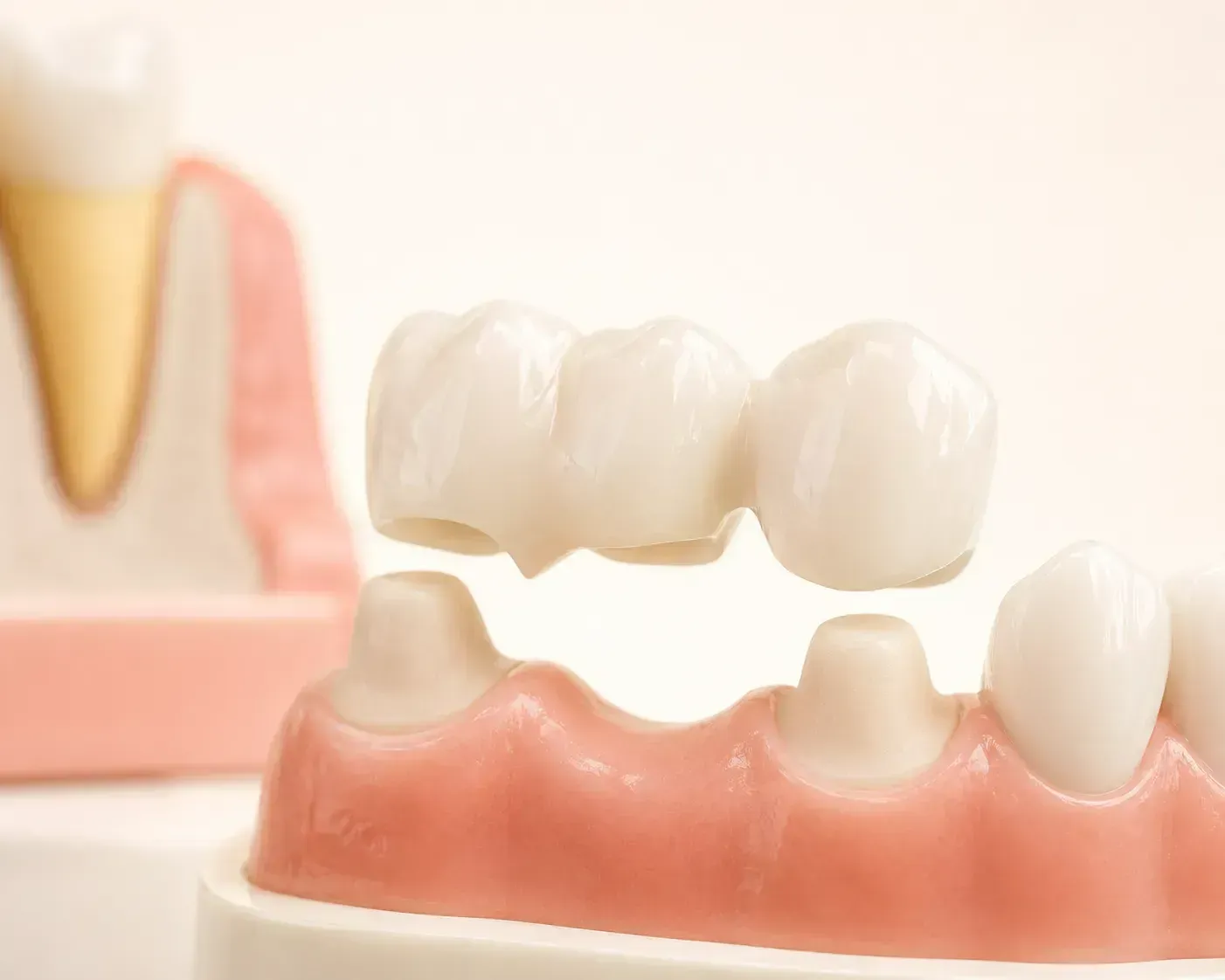
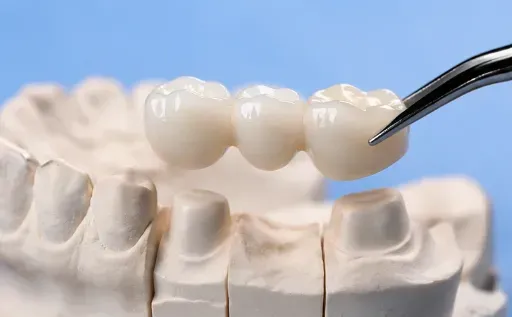
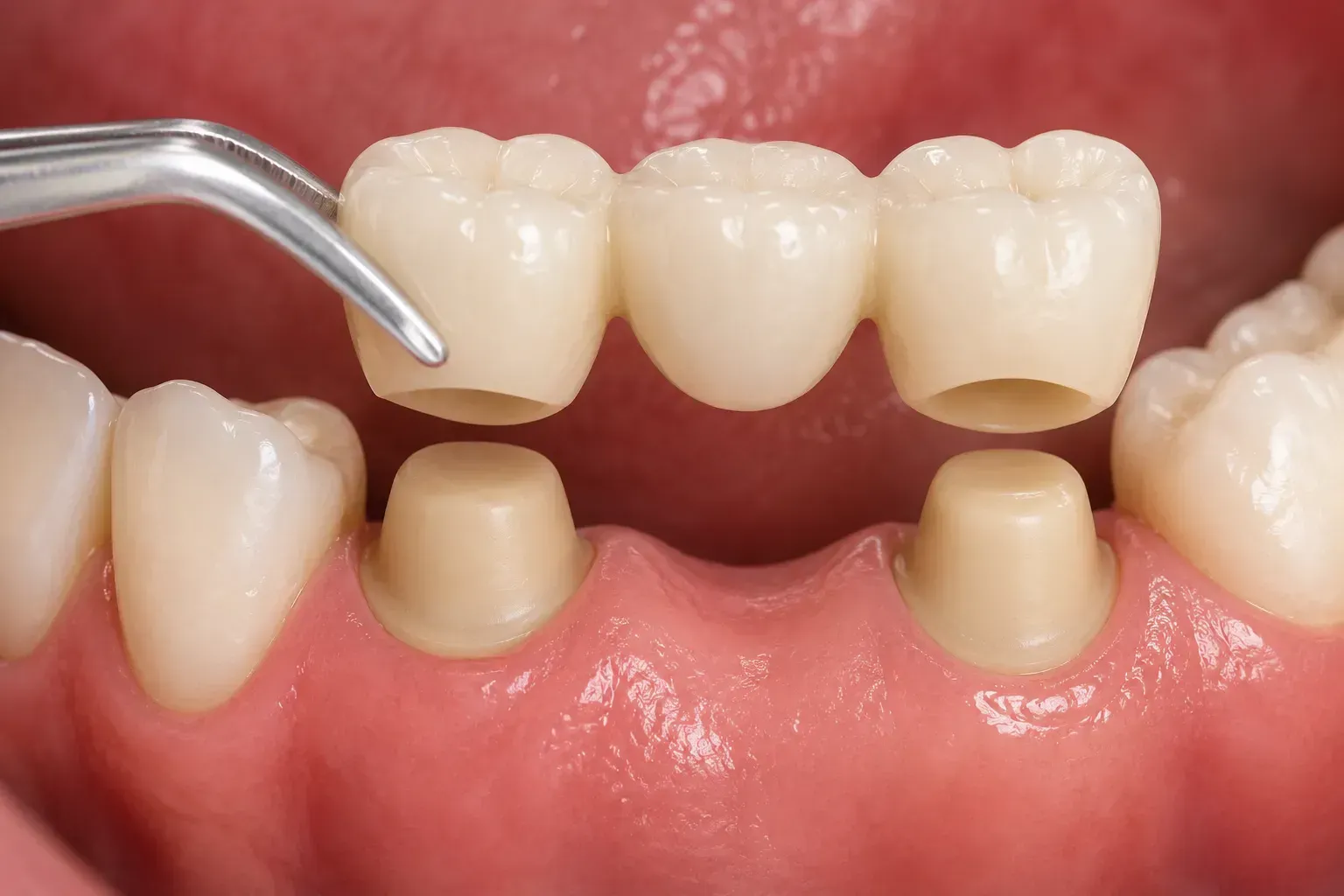
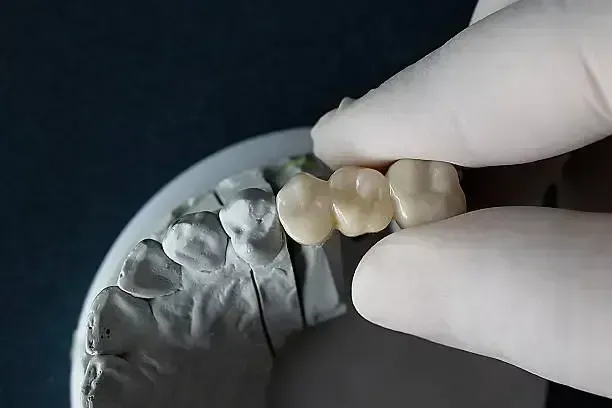
A Dental Bridge is a fixed restoration that replaces one or more missing teeth by anchoring to the teeth on either side of the gap. The Bridge has two main parts: Crowns that go on the supporting teeth (called Retainer Crowns), and one or more replacement teeth (called Pontics) that fill the gap between them. Once placed, the bridge is permanent — you don't take it out to clean it.
When a Bridge Makes Sense
A Bridge can be the right solution when the teeth on either side of the gap already need Crowns, when an Implant isn't possible due to bone or health concerns, or when a patient prefers a non-surgical option. We talk through the choice between a Bridge and a Dental Implant carefully, because each has trade-offs. With bridgework, you are involving adjacent teeth — and they may be perfectly healthy. That's an important consideration.
Bridges vs. Implants — Honest Trade-Offs
Implants may be considered more conservative because they focus on restoring only the missing tooth — they do not involve work on adjacent teeth, which may be healthy. Bridges, on the other hand, are typically faster (no surgery, no healing time), often cost less up front, and don't require adequate bone density. Dr. Bob will walk you through what's right for your specific case rather than push one over the other.
CEREC for Bridge Restorations
Whenever appropriate, we use CEREC same-day technology to design and mill bridges in our office. That means precise fit, color-matched ceramic, and often a shorter overall treatment timeline. For more complex Bridges, we may work with a trusted lab — Dr. Bob will tell you up front what fits your case best.
Caring for Your Dental Bridge
Once your Bridge is in place, daily flossing under the Bridge with a floss threader or water flosser is essential. The space under the pontic can collect debris, which can lead to gum issues over time. We'll show you exactly how to clean it. With good care, a well-made Bridge typically lasts 10-15 years or longer.
What is a Dental Bridge?
A Dental Bridge is a fixed prosthetic that replaces a missing tooth (or teeth) by anchoring to the natural teeth on either side of the gap. The result is a permanent restoration that fills the gap, restores chewing function, and prevents adjacent teeth from shifting into the empty space.
How much does a Dental Bridge cost in Newtown, PA?
Cost depends on the size of the Bridge, the materials used, and whether CEREC technology is involved. We are transparent with our fees before any treatment is scheduled. Bridges are often partially covered by dental insurance — we file claims as a courtesy. Financing through Alphaeon and CareCredit is available for any out-of-pocket portion.
Is getting a bridge painful?
Tooth preparation feels like having a Crown placed — local anesthesia keeps you comfortable. Most patients describe the appointment as easier than expected. Some mild sensitivity for a few days after is normal as the supporting teeth adjust. There is no surgery, no healing period, and no extended recovery.
How long does a bridge last?
With proper care, a Dental Bridge typically lasts 10-15 years or longer. Daily flossing under the Bridge, regular dental visits, and avoiding hard foods on the supporting teeth all extend its life. Eventually, like any restoration, a Bridge may need to be replaced.
Dental Bridges in Newtown, PA
➔ Fixed restoration to replace one or more missing teeth
➔ Porcelain or porcelain-fused-to-metal options
➔ CEREC technology for precise, color-matched fit
➔ We'll discuss bridges vs. implants for your situation
Frequently Asked Questions
How is a Bridge different from an Implant?
An Implant is a titanium post placed in the jawbone to replace just the missing tooth — adjacent teeth are not involved. A Bridge anchors to those adjacent teeth via Crowns. Implants are more conservative when the supporting teeth are healthy, while Bridges are often faster and may cost less up front. We help you weigh the trade-offs.Will my insurance cover a bridge?
Most dental insurance plans cover a portion of Bridge work, often around 50% after deductible. Coverage varies by plan and by whether the Bridge replaces a tooth lost before your coverage started. We verify benefits and present clear cost expectations before treatment.Can I eat normally with a bridge?
Yes. Once your bridge is fully cemented, you can eat just about anything you ate before. We recommend avoiding very hard or sticky foods on or near the bridge to extend its life. Within a few days, most patients forget the bridge is even there.How many appointments will I need?
Traditional Bridges typically require two appointments — one to prepare the supporting teeth and take impressions, and a second to place the final Bridge a few weeks later. With CEREC Same-Day Technology, we can sometimes complete a Bridge in a single appointment.
The Mouth-Body Connection —
Lantzy DMD Blog
Dementia prevention. Sleep apnea. Why your child's behavior might be a breathing problem. Dr. Bob writes about the things most dentists don't, because he believes patients deserve to understand what's really going on.
Explore the Link Between Your Oral Health and Overall Vitality
Discover the five surprising ways your dental health affects your overall health with our free resource, The Mouth-Body Connection: Why Your Oral Health Shapes Your Whole Health.