Gum Disease Treatment in Newtown, PA
Gum disease is silent. We help you catch it, treat it, and stay ahead of it.
Catching gum disease while it is still quiet
At Robert A. Lantzy, DMD, LLC in Newtown, PA, Dr. Robert Lantzy treats gum disease, from early gingivitis through periodontal disease, with our Non-Surgical Soft Tissue Therapy Program: a deep cleaning below the gum line, a home care routine built around your mouth, and a maintenance plan that keeps the infection from coming back. Bleeding gums are usually the first clue, and the earlier we see you, the simpler the path back to health.
Knowing gingivitis from periodontal disease
When inflammation progresses beyond a particular area and becomes generalized, you may notice puffy, tender gums. This early infection is known as gingivitis, the first stage of gum disease, and gingivitis is synonymous with gum infection. The good news about gingivitis is that the infection has not begun to attack the supportive bone structure, meaning the bone that keeps our teeth securely in our dental arches. When patients have treatment for gingivitis, there is a great chance of recovering nicely and moving forward to a healthier condition. With our periodic professional help, your daily maintenance is going to be the key!
Now, if the infection has affected the supportive bone structure, this is called periodontal disease. Periodontal disease is a silent infection and the number one reason why adults lose their teeth. This is sad, because periodontal disease is totally preventable with a bit of awareness and early intervention!
Noticing pink in the sink
Your first clue is becoming aware. If you see PINK in the SINK after brushing, it is a sign that bleeding is occurring. Bleeding occurs when there is an infection going on somewhere in your mouth, and bleeding IS NOT normal (if your body was bleeding somewhere else, you'd be concerned). Your awareness is key to getting intervention.
Other signs of gum disease to watch for:
- red, tender, or swollen gums
- gums that bleed easily after brushing or flossing
- bad breath that doesn't go away
- gums that are pulling back from your teeth
- teeth that feel loose
Caring for your gums is caring for your whole body
Of greater importance with periodontal disease is understanding that bleeding gums are a sign of infection. Your gums are leaky, and this allows infection to flow through the circulatory system to other parts of the body. Periodontal disease is a main concern within the concept of the Oral Systemic Connection and concerns are associated with diabetes, cardiovascular disease, pulmonary disease, dementia, AFib (atrial fibrillation), low birth weight babies, and a surprising number of other systemic diseases. Studies have proven that the health of the mouth is reflected on the health of the body, and our goal as a Complete Health Dental provider is to help you maintain a healthy mouth that is free of infection. Read more on our oral-systemic health page.
Treating gum disease without surgery
When infection is present, we'll talk with you about our Non-Surgical Soft Tissue Therapy Program. This therapy includes scaling and root planing (SRP), comfort agents, antimicrobial medicaments, home care tools and home care guidance. As we carefully clean four or five millimeters under the gum line, the irritating buildup is removed and the inflammation goes down: the gums de-puff as they heal and shrink back down to normal. Periodontal disease is managed and maintained with regular care, and we encourage everyone to get their regimen at home down, because it works.
Building a home care routine that works for you
As your health coach, we'll customize a new home care routine and recommend a maintenance plan to prevent relapse. There are great products available to help you through your journey, and we may recommend something like these for you:
- Perio Protect: a complete health tray system that targets your unique periodontal pockets and gives them focused attention. Simple to use, with remarkable results.
- IO Rinse: great for home care, and it can be used in a Waterpik.
There's always something new coming out on the market, so ask us what's right for you.
Bringing in a periodontist when you need one
Most patients never need a specialist, as we treat gingivitis through early to moderate periodontal disease ourselves. If bone loss is more than five millimeters and not improving with treatment, Dr. Lantzy brings in a periodontist, a specialist in the gums and the bone around the teeth, so you get the level of care that stage deserves while we keep looking after the rest of your health.
Planning the cost of your care
Cost depends on how far the infection has gone and how many areas of your mouth need treatment, and we'll go over your fee before treatment begins. Robert A. Lantzy, DMD, LLC is an out-of-network practice with one fair service fee for every patient. If your plan is a PPO, you're free to choose us, and your insurance will contribute toward your care. We'll review our fees and what your plan may contribute ahead of time. Even with a predetermined report, the carrier can't guarantee benefits until the time of service, because situations and annual maximums can change. Financing through Alphaeon and CareCredit is available, and our periodontal membership, for patients with active periodontal disease or bone loss, has no deductible and no maximum for care at our office. See Finances + Insurance.
Can gum disease be reversed?
Gingivitis can be. Because the infection hasn't reached the bone yet, patients who treat it have a great chance of recovering nicely. Periodontal disease has already affected the supportive bone, so we don't promise to undo it. Instead, we manage and maintain it with regular care, and with your home care, it can stay healthy for years.
What is non-surgical gum disease treatment?
Non-surgical periodontal therapy treats gum infection without cutting or grafting. It includes deep cleanings (scaling and root planing), targeted home care products, and customized maintenance scheduling. For gingivitis through early to moderate periodontitis, this conservative approach is highly effective, and for advanced cases we may coordinate with a periodontist.
Does gum disease treatment hurt?
Most patients are surprised by how comfortable it is. We use targeted topical anesthetic when needed, take time to talk you through every step, and our hygienists are exceptional at gentle technique. If you're worried, raise your hand at any point and we stop. The discomfort of treatment is far less than the discomfort of letting infection progress.
How many appointments will I need?
Treatment typically spans two to four appointments depending on severity, followed by a customized maintenance schedule. For patients who've been treated for periodontal disease, returning every three to four months is often what's needed to maintain healthy levels. There is about a 90-day threshold before bacteria can become harmful again, individuals vary on that range, and the right schedule for you depends on how your tissues respond and how consistent your home care is.
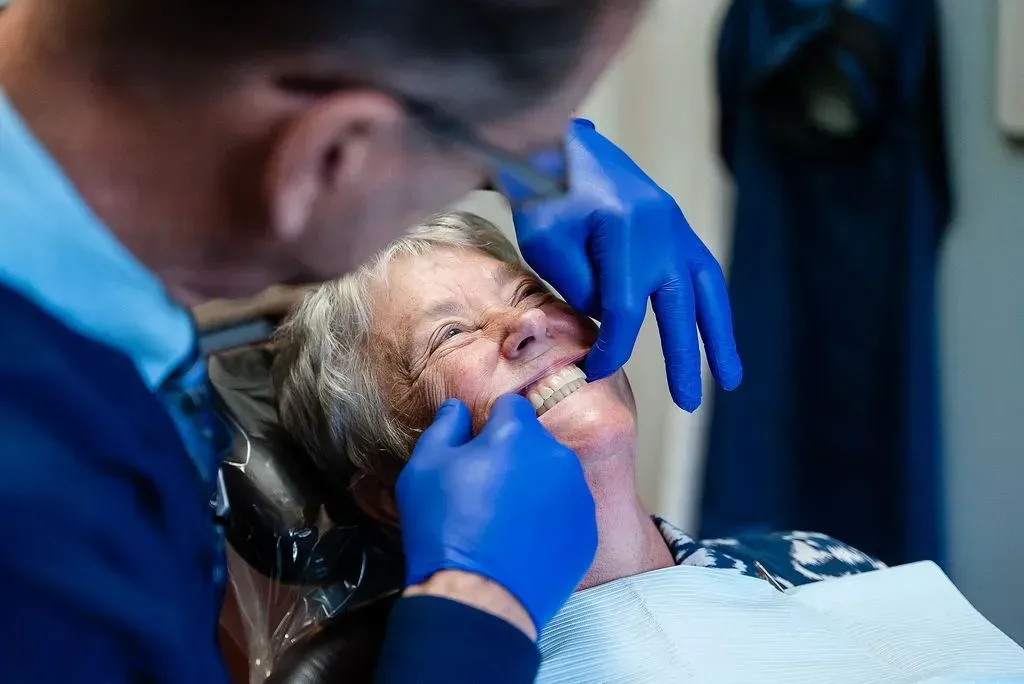
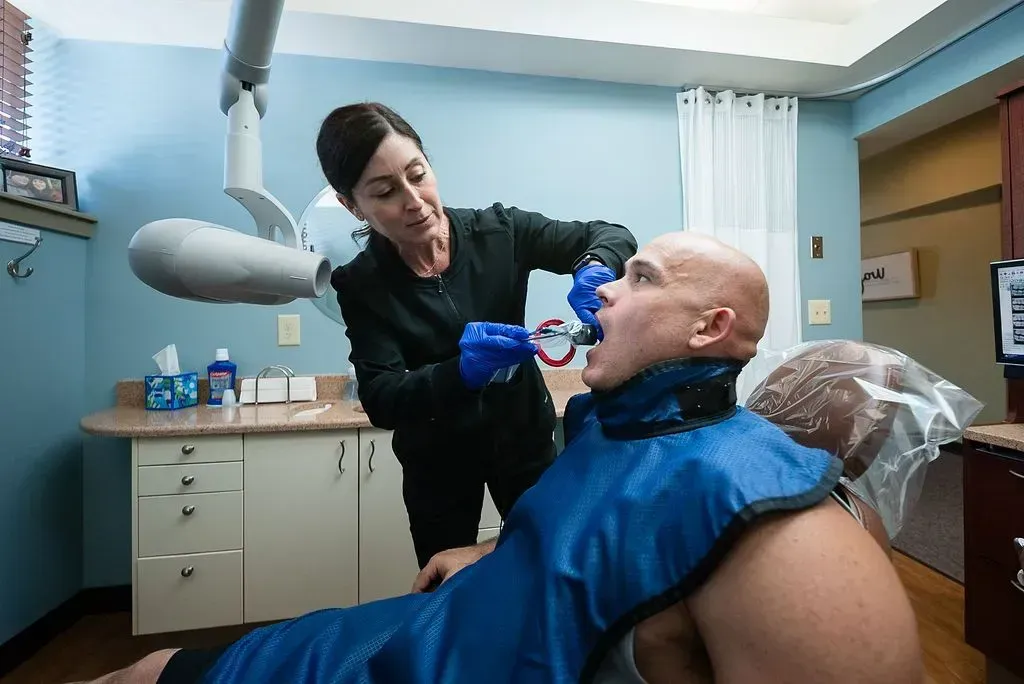
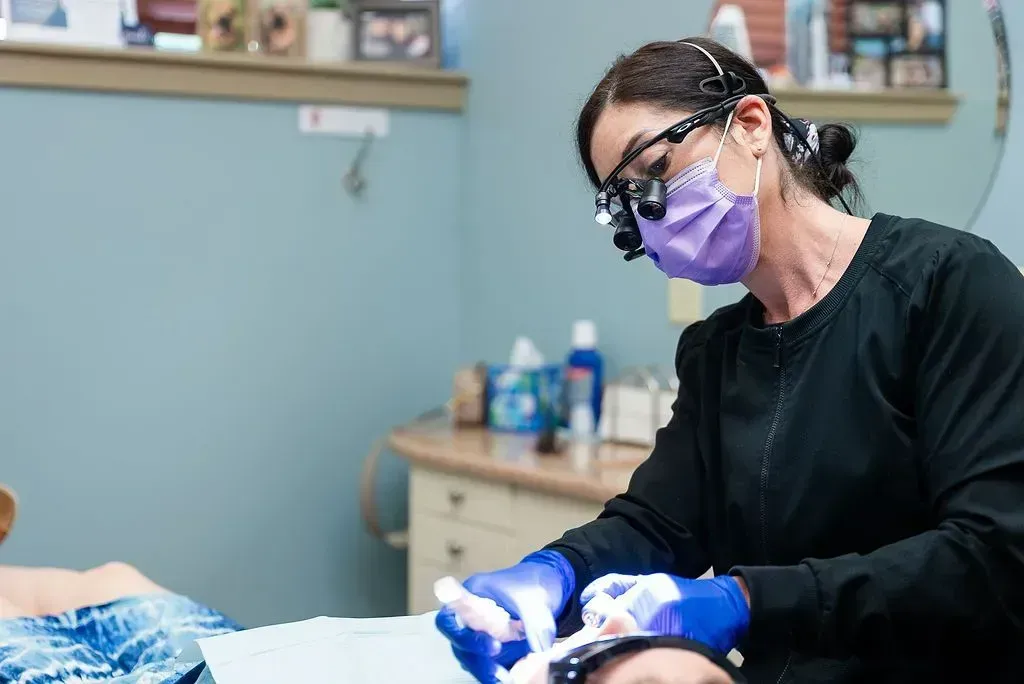
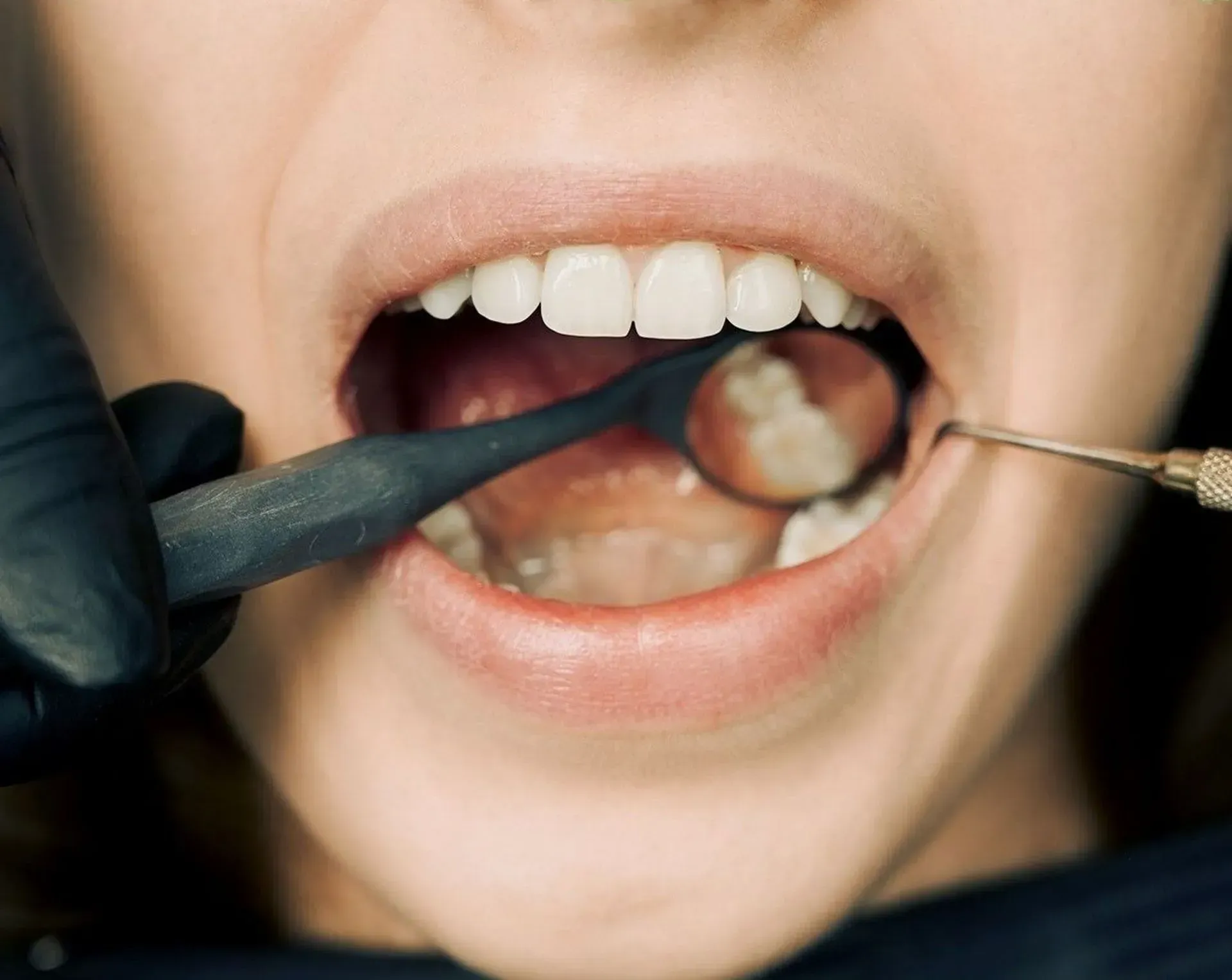
Gum Disease Treatment in Newtown, PA
➔ Conservative, non-surgical care from gingivitis to periodontal disease
➔ Full periodontal charting at every hygiene visit
➔ Customized home care with products that actually work
➔ Goal: stay below 10 bleeding points (or none)
Frequently Asked Questions
What home products do you recommend for gum disease?
We may recommend Perio Protect, a tray system that delivers focused care to your specific periodontal pockets, or IO Rinse, which works for daily home care or in a Waterpik. There's always something new coming out, and our Newtown team tries to stay up on all of it, so we'll customize the recommendation to what your gums need.Will I lose my teeth to gum disease?
Not if we catch it early enough and you stay on your maintenance plan. Periodontal disease is the number one reason adults lose their teeth, but it's also highly preventable when it's treated and maintained. For our Newtown patients, the earlier we start, the more we can do.Is bleeding when I brush actually a problem?
Yes. Bleeding gums are not normal: if you cut your arm, you wouldn't just let it bleed. Bleeding means infection, and it's usually the first sign of gum disease. The good news is that gingivitis and early periodontal disease respond well to treatment at our Newtown office, and the earlier you come in, the simpler the path back to health.Will my insurance cover gum disease treatment?
Most PPO plans include some coverage for periodontal therapy. Our Newtown practice is out-of-network with one fair service fee for every patient, and we file your claims as a courtesy so your benefit can be applied toward your care. We'll review your plan before treatment, though insurers can't guarantee coverage until the time of service.Is gum disease linked to other health problems?
Yes. Infected gums are leaky, which lets bacteria travel through the bloodstream to the rest of the body. Periodontal disease is associated with diabetes, heart disease, lung disease, dementia, and low birth weight babies, which is why Dr. Lantzy treats it as part of your whole health at our Newtown, PA office, not just your smile.
The Mouth-Body Connection —
Lantzy DMD Blog
Dementia prevention. Sleep apnea. Why your child's behavior might be a breathing problem. Dr. Bob writes about the things most dentists don't, because he believes patients deserve to understand what's really going on.
Explore the Link Between Your Oral Health and Overall Vitality
Discover the five surprising ways your dental health affects your overall health with our free resource, The Mouth-Body Connection: Why Your Oral Health Shapes Your Whole Health.