
Lip Tie in Newtown, PA
When a tight lip frenulum interferes with feeding, breathing, or oral function — we evaluate, refer, and follow up.
Why a Tight Lip Frenulum Matters
What a Lip Tie Is
A lip tie occurs when the frenulum — the small piece of tissue connecting the upper lip to the gum tissue above the front teeth — is too tight, too thick, or attached too low. When this frenulum restricts normal lip movement, it can interfere with how the lip seals, how an infant latches during feeding, how the bite develops, and even how a person breathes through the nose.
Signs a Lip Tie May Be a Problem
Lip ties often go unnoticed. Common signs include:
- Difficulty latching during breastfeeding (in infants)
- A wide gap between the upper front teeth (Diastema)
- Difficulty curling or fully lifting the upper lip
- Mouth breathing because the lips don't close comfortably
- Decay on the front teeth from food trapping near the gum line
- Speech challenges with certain sounds in older children
Why Lip Tie Connects to Bigger Things
This is where our airway-focused approach matters. A lip tie that prevents proper lip seal often leads to mouth breathing — and mouth breathing affects everything: oral dryness, cavity risk, jaw development, sleep quality, focus, and overall growth. We evaluate lip tie not as an isolated finding, but as part of your child's whole airway and growth picture. Sometimes a release isn't needed. Sometimes it is. The goal is always proper function.
How We Evaluate
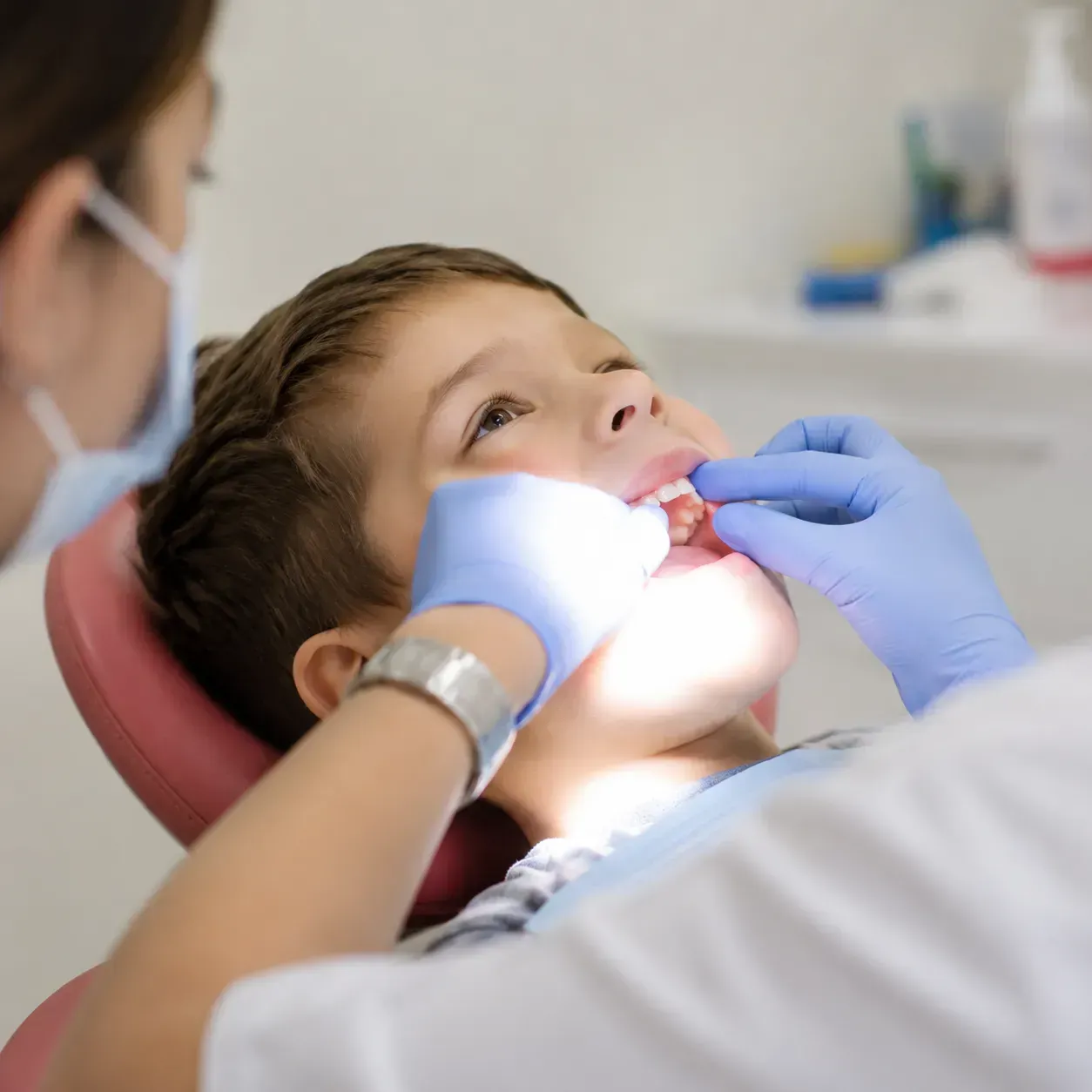
Every child's exam in our office includes a check of the lip frenulum. Dr. Bob looks at attachment height, tissue thickness, lip mobility, and any signs of functional restriction. If we identify a concern, we discuss it with you in plain language: what we see, what it might be affecting, and what your options are. We don't push procedures. We educate.
When a Frenectomy Makes Sense
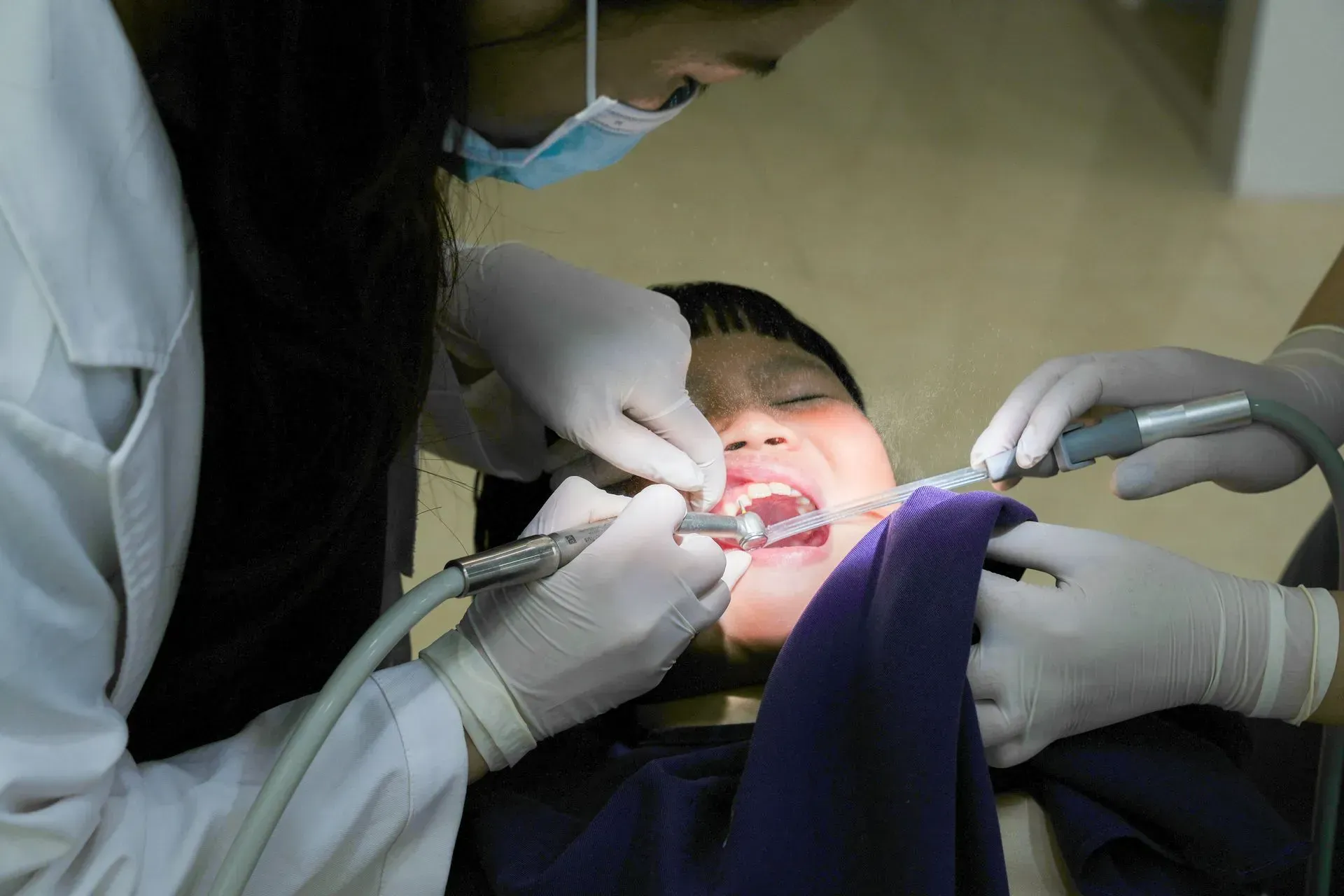
If a release (called a Frenectomy) is appropriate, we’ll schedule an appointment to complete the Franectomy right in our office with a soft-tissue laser. The laser approach is precise, minimally invasive, and typically requires no stitches. Dr. Bob makes sure to explain the entire procedure so you know what to expect.
Coordinated With Marcie's Myofunctional Therapy
For many lip tie cases, the most lasting outcome comes from combining the release with Myofunctional Therapy. Marcie Leuz Lear, our certified Orofacial Myofunctional Therapist, retrains the muscles that have been compensating around the tie — restoring proper tongue posture, lip seal, and breathing patterns. We coordinate this care from start to finish.
What is a lip tie?
A lip tie is a condition where the Frenulum (the thin tissue connecting the upper lip to the gum) is too tight, too thick, or attached too low — restricting lip movement. It can affect breastfeeding in infants, contribute to gaps between the front teeth, interfere with proper lip seal, and influence breathing and oral development.
How much does lip tie evaluation and treatment cost in Newtown, PA?
An evaluation is included in your child's Comprehensive Exam. If a release (Frenectomy) is needed, or if Myofunctional Therapy with Marcie is recommended, we will be transparent with all fees up front. Alphaeon and CareCredit financing is also available.
Does lip tie release hurt?
Modern laser frenectomy is quick (often under a minute), uses topical anesthesia for infants and local anesthesia for older children, and typically heals within a week. Some mild discomfort and fussiness is normal for the first day or two. Stretching exercises after the procedure prevent reattachment — we will walk you through them.
How long does the whole process take?
Initial evaluation takes 15-30 minutes during your child's exam. If a release is needed, the procedure itself takes only a few minutes. Healing is typically 1-2 weeks. If Myofunctional Therapy is part of the plan, programs typically run 6-12 months — we coordinate the whole timeline.


Lip Tie Care in Newtown, PA
➔ Comprehensive evaluation as part of every child exam
➔ Connected to airway, breathing, and bite concerns
➔ Coordinated with Myofunctional Therapy when needed
➔ Trusted referrals for laser frenectomy when indicated
Frequently Asked Questions
Should every lip tie be released?
No. Many lip ties are anatomical variations that don't cause functional problems. We only recommend release when we see clear signs of functional impact — feeding difficulties, severe diastema, mouth breathing issues, or other concerns that won't resolve without intervention. We're conservative and honest about whether a release is the right answer.Is lip tie connected to airway issues?
It can be. A tight lip frenulum can prevent proper lip seal, which leads to mouth breathing, which affects jaw development, sleep quality, and overall airway health. We evaluate lip tie as part of your child's whole airway picture, not as an isolated finding.What about infant lip tie and breastfeeding?
Lip ties can impact how well your child can breastfeed but you have options. If a Franectomy is not recommended, but you're concerned about latching, painful nursing, or your infant's weight gain, we recommend an evaluation from a lactation consultant.Will my child need Myofunctional Therapy after a release?
Often, yes — especially for older children. Releasing the tissue without retraining the muscles that have been compensating around it often means the underlying habits (mouth breathing, tongue thrust, low tongue posture) don't resolve. Combining the procedure with Myofunctional Therapy is what creates lasting outcomes.Do you also release tongue ties?
Not at this time. Tongue tie releases are a specialized procedure, and we'd rather send you to someone we know and trust than try to be everything to everyone. If you're noticing signs of a tongue tie in your child — or in yourself — bring it up at your next visit. We're happy to point you in the right direction.
The Mouth-Body Connection —
Lantzy DMD Blog
Dementia prevention. Sleep apnea. Why your child's behavior might be a breathing problem. Dr. Bob writes about the things most dentists don't, because he believes patients deserve to understand what's really going on.
Explore the Link Between Your Oral Health and Overall Vitality
Discover the five surprising ways your dental health affects your overall health with our free resource, The Mouth-Body Connection: Why Your Oral Health Shapes Your Whole Health.