Dentures in Newtown, PA
Modern dentures look and function better than they ever have. We'll find the option that fits your life.
Modern Dentures, Personalized to You
Dentures Have Come a Long Way
If your idea of Dentures is the loose, plastic teeth from decades past, we have good news. Modern Dentures are far more comfortable, more natural-looking, and more stable than they used to be. Custom materials, precision fitting, and the option to anchor Dentures to Dental Implants have transformed what Dentures can do.
Three Types We Offer
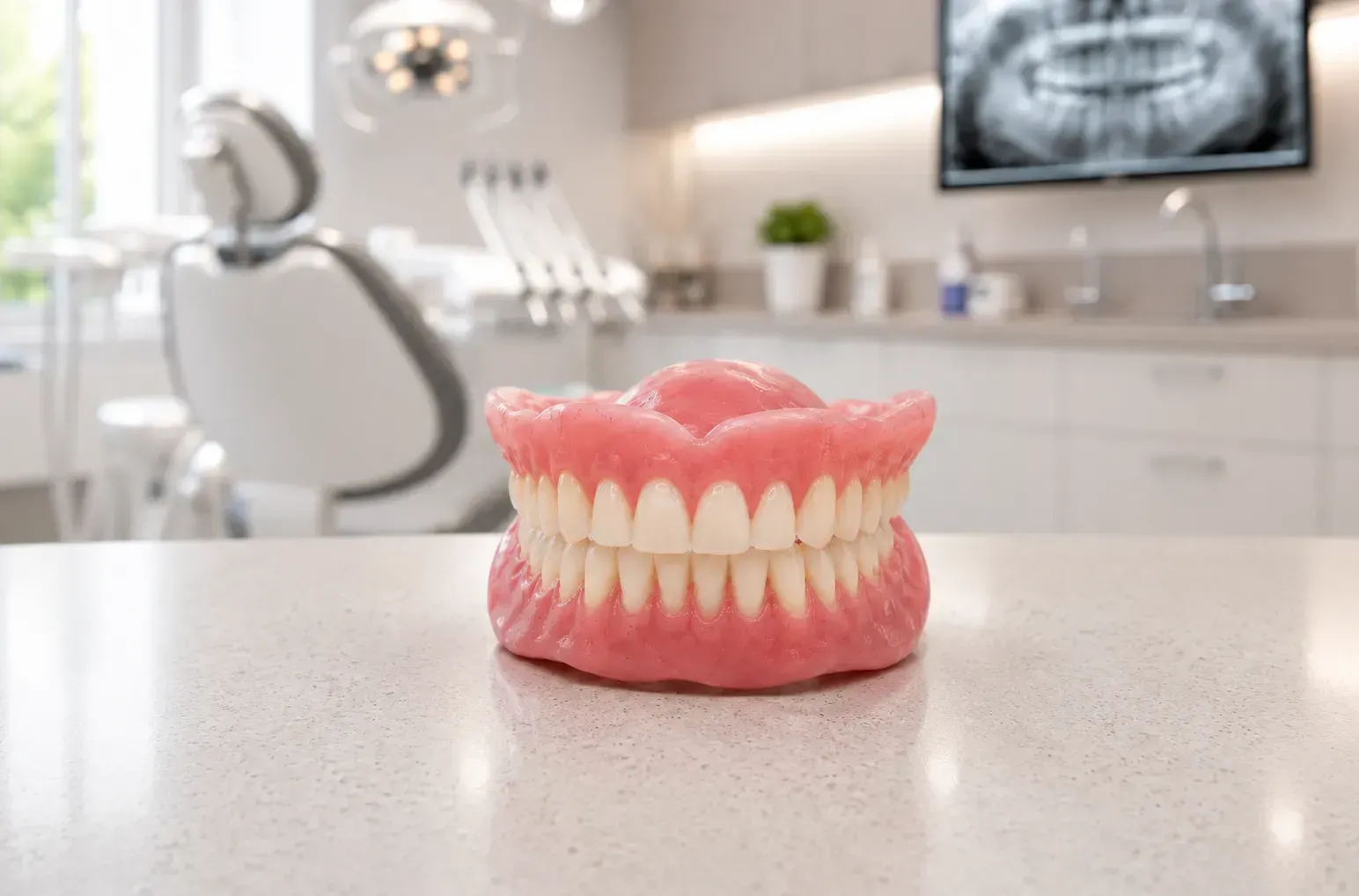
- Traditional Full Dentures — for patients missing all teeth in an arch, held in place by suction or adhesive
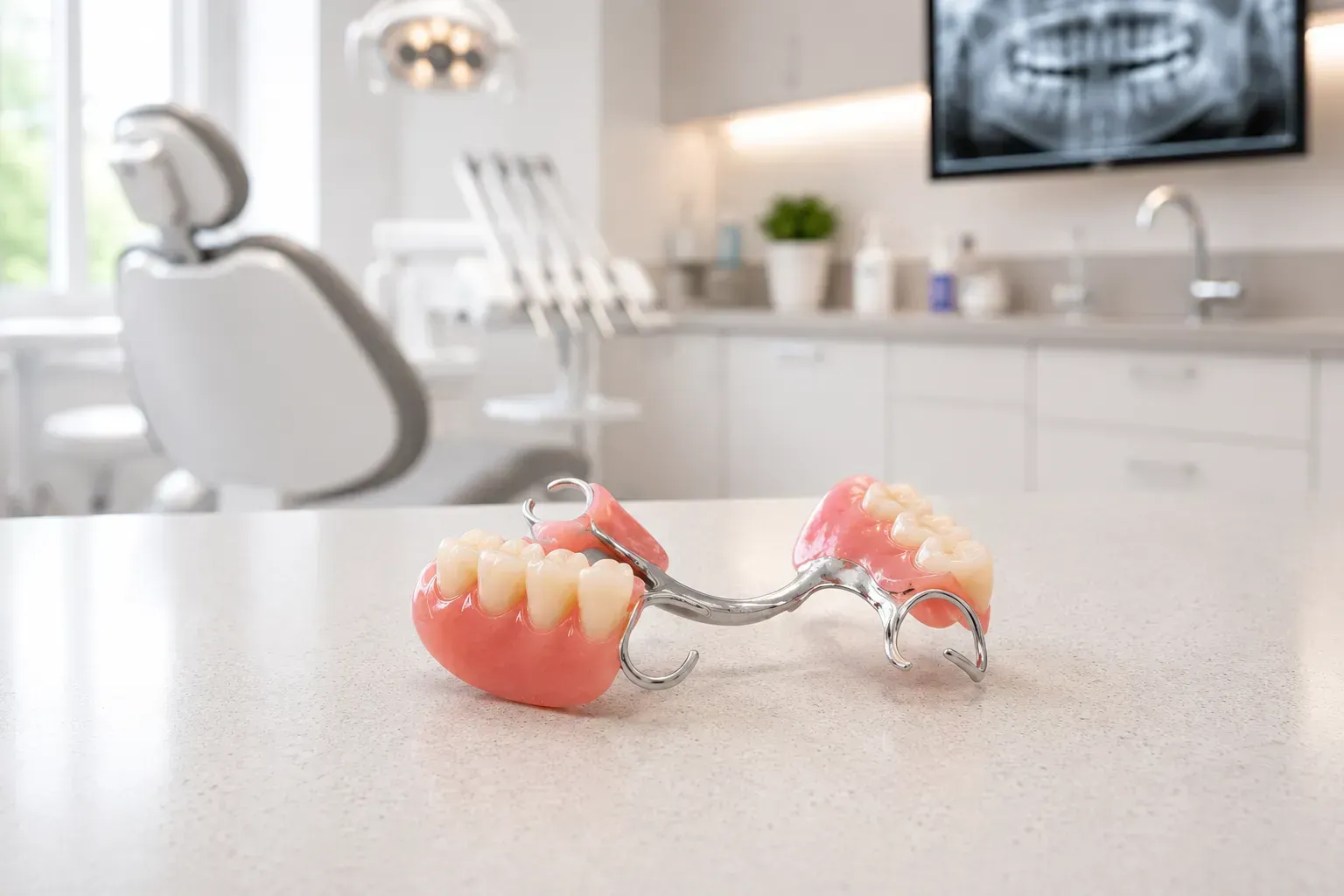
- Partial Dentures — for patients who still have some healthy teeth, with the partial filling in gaps
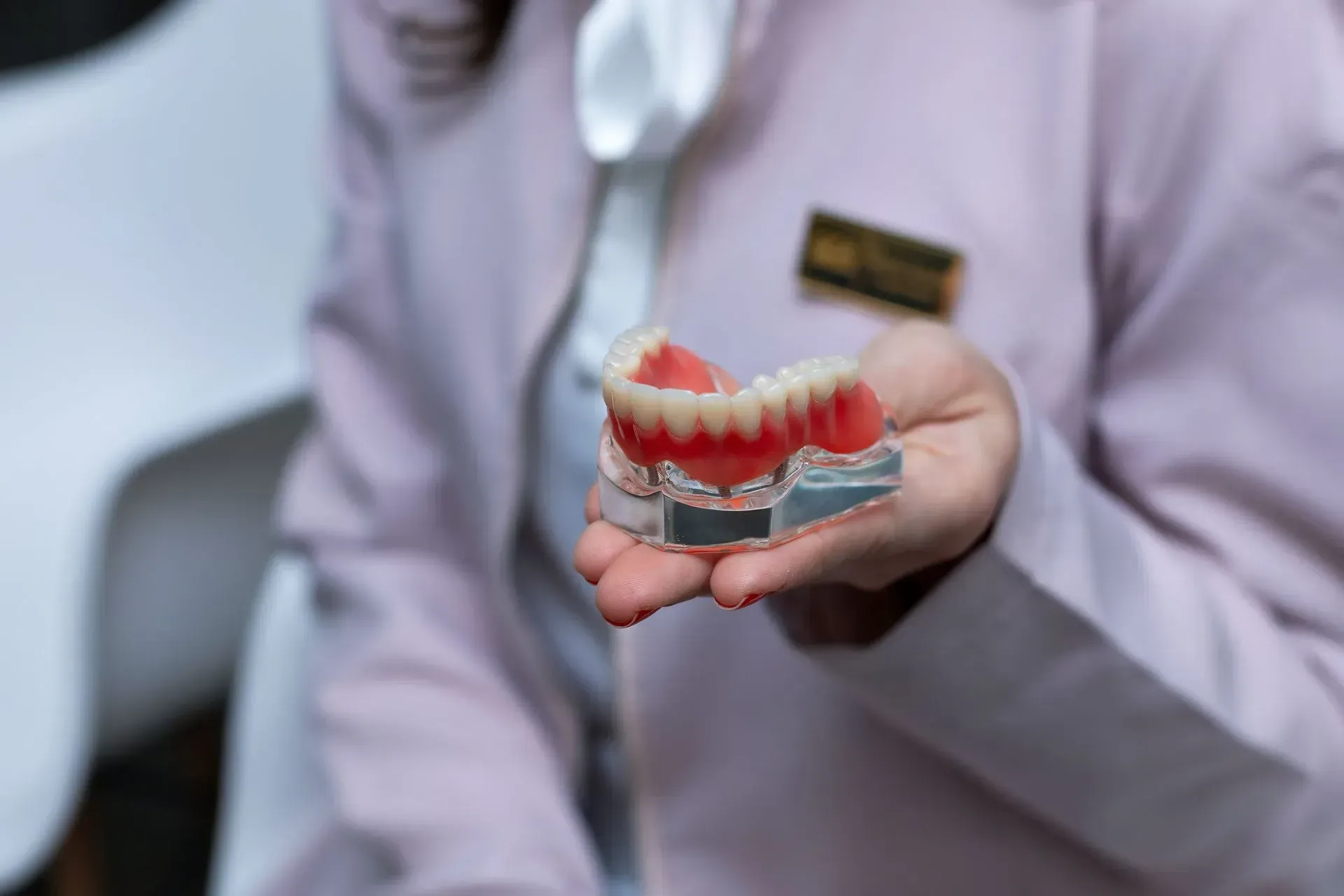
- Implant-Supported Dentures — anchored to Dental Implants for greater stability, less slippage, and a more natural feel
Foundation First
Your underlying foundation is of utmost importance for a lasting investment. Before placing Dentures, we evaluate the health of your gums and remaining bone, your bite, and any underlying concerns. For some patients, Periodontal Care needs to come first. For others, the right answer is Implant-Supported Dentures rather than traditional ones. We'll walk you through what fits your situation.
Aging and Dentures
As you get older, you do not lose your teeth — that's an old myth. In fact, history shows full arches of teeth, evidence that nutrition and diet play an important part in the longevity of smiles. But when teeth have been lost — to decay, Periodontal Disease, trauma, or other causes — dentures restore both function and aesthetics so you can continue eating well, speaking clearly, and smiling confidently. Healthy teeth are integral for proper digestion and nutrition as we get older.
Why Implant-Supported Dentures Make Such a Difference
Traditional Dentures rely on suction or adhesive — and they can slip when you eat or talk. Implant-Supported Dentures anchor to Dental Implants placed in your jaw. They don't slip. They feel more like natural teeth. They preserve the bone in your jaw, unlike Traditional Dentures. And because they're more stable, you can eat foods you couldn't with Traditional Dentures. Not every patient is a candidate for Implant-Supported Dentures — adequate bone density is needed — but for those who are, the difference is significant.
What types of Dentures are there?
We offer three main types: Traditional Full Dentures (replacing all teeth in an arch), Partial Dentures (filling gaps where some healthy teeth remain), and Implant-Supported Dentures (anchored to Dental Implants for stability). Each has its place. Dr. Bob helps you decide based on your remaining teeth, your bone density, your goals, and your budget.
How much do dentures cost in Newtown, PA?
Cost varies widely depending on the type of denture, the materials, and whether implants are involved. Traditional Dentures are typically the most cost-effective option. Implant-Supported Dentures cost more up front but often outlast Traditional Dentures and provide significantly better function. We are transparent with fees before treatment and offer Alphaeon and CareCredit financing.
Are modern Dentures comfortable?
Far more comfortable than dentures from decades past. Modern materials and precise digital fitting create a snug, natural feel. Some adjustment is normal in the first few weeks as your mouth adapts. For patients who find Traditional Dentures uncomfortable or unstable, Implant-Supported Dentures often eliminate those issues entirely.
How long do Dentures last?
Traditional Dentures typically last 5-10 years before needing relining or replacement. Bone in the jaw changes shape over time when teeth are missing, which is why Traditional Dentures eventually loosen. Implant-Supported Dentures often last significantly longer because the implants preserve bone and provide stable anchoring.
Dentures in Newtown, PA
➔ Traditional, partial, and implant-supported options
➔ Modern materials — natural-looking, more comfortable
➔ Implant-Supported Dentures for stability
➔ Customized to your bite, your face, your goals
Frequently Asked Questions
Will Dentures change how I eat?
There's an adjustment period of a few weeks to a few months. Start with softer foods, cut food into smaller pieces, and chew on both sides at once for stability. Most patients return to a full diet within a few months. Implant-Supported Dentures shorten the adjustment significantly.Will Dentures change how I speak?
Some patients notice changes in pronunciation in the first few weeks. Reading aloud and practicing tricky words speeds up the adjustment. Within a month or two, most patients are speaking normally.Can I sleep with my Dentures in?
It’s generally not recommended. Removing Dentures at night gives your gums a chance to rest and reduces the risk of fungal infections and bone loss. Soak them overnight in a Denture cleaner. Implant-Supported Dentures may have different recommendations — we'll guide you based on your specific situation.Does insurance cover dentures?
Most dental insurance plans cover a portion of Denture costs, often around 50% after deductible. Coverage for implants is more variable. We verify your specific benefits, file claims as a courtesy, and present clear cost expectations before any treatment begins.
The Mouth-Body Connection —
Lantzy DMD Blog
Dementia prevention. Sleep apnea. Why your child's behavior might be a breathing problem. Dr. Bob writes about the things most dentists don't, because he believes patients deserve to understand what's really going on.
Explore the Link Between Your Oral Health and Overall Vitality
Discover the five surprising ways your dental health affects your overall health with our free resource, The Mouth-Body Connection: Why Your Oral Health Shapes Your Whole Health.