
Tooth Extractions in Newtown, PA
Honest scope: Dr. Bob handles simple extractions. Complex cases go to a trusted oral surgeon — and we restore afterward.
Honest About What We Do — and What We Don't
Our Approach to Extractions
Nine times out of ten, we refer extraction cases out to a trusted Oral Surgeon. Dr. Bob will do an extraction if it's a very simple, straightforward extraction — one solid tooth with one root, no surgical complexity. Anything more complicated, like broken roots, impacted teeth, wisdom teeth, surgical extractions — goes to a trusted oral surgeon. We took surgery out of our website years ago because we'd have people coming in thinking we did surgery, and it was misleading. We want you to know up front what we do and don't handle in-office.
When an Extraction Is the Right Call
Saving the natural tooth is almost always the goal. But there are situations where extraction is the right answer:
- A tooth so severely decayed that not enough structure remains to restore
- Advanced periodontal disease with significant bone loss around the tooth
- A fractured tooth that can't be saved with a crown or root canal
- An abscessed tooth where root canal therapy would not be successful
- Crowding before orthodontic treatment (rare, and a last resort in our practice)
- Wisdom teeth causing problems (always referred to oral surgery)
What a Simple Extraction Looks Like
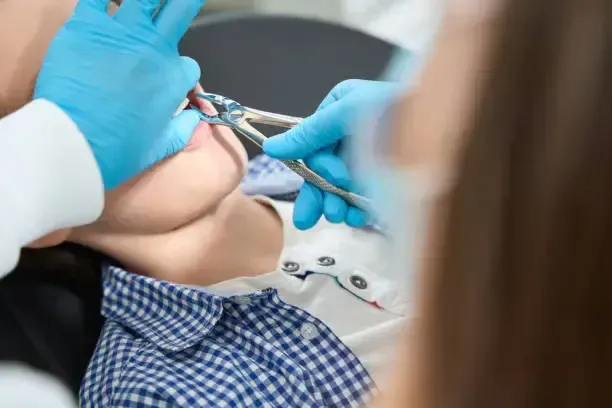
If the tooth is straightforward — solid, no broken roots, no surgical access needed — Dr. Bob can typically extract it in a single visit. We numb the area thoroughly with local anesthesia. The extraction itself is usually quick. We'll send you home with care instructions: bite on gauze for 30-45 minutes, take pain medication as prescribed, eat soft foods for a day or two, avoid straws, smoking, and vigorous rinsing for the first few days.
Why We Refer Most Extractions Out
Complex extractions need surgical training, specialized equipment, and the experience that comes from doing them every day. Oral Surgeons handle hundreds of extractions a month. They also have anesthesia options that we don't. For your safety and comfort, more involved cases belong in their hands. We trust the local oral surgeons we refer to.
Don't Forget: Plan the Replacement First
When one tooth is lost, the other teeth tend to shift — and that causes additional discomfort. Before any extraction, we talk through replacement options. Most patients benefit from an implant(the most conservative option since it doesn't involve adjacent teeth), a bridge, or a denture. Sometimes the implant can be planned in coordination with the extraction so the timeline is shorter. Don't extract without a plan for what comes next.
Will Dr. Bob do my tooth extraction?
Maybe. Dr. Bob handles simple, straightforward extractions in our office — typically a solid tooth with one root, no surgical complexity. About 9 out of 10 extractions are referred to a trusted oral surgeon. We'll evaluate your specific situation and tell you honestly which path is right for you.
How much does an extraction cost in Newtown, PA?
Simple extractions in our office are more affordable than surgical extractions performed by an oral surgeon. We are transparent with our fees before treatment. The oral surgeon's fees are set independently. Extractions are generally covered by dental insurance, often around 80% after deductible for in-network providers.
Does an extraction hurt?
Local anesthesia keeps the procedure itself painless. Most patients describe pressure and pulling sensations, but no pain. After the anesthesia wears off, some discomfort and swelling for 1-3 days is normal — managed with over-the-counter or prescription pain medication. Most patients return to normal activity within a few days.
How long does the healing take?
Soft tissue healing typically takes 1-2 weeks. The bone underneath continues healing for 3-6 months. Most patients are comfortable eating normally within a few days, with continued care at the extraction site (gentle brushing, no straws, soft foods) for the first week.



Tooth Extractions
Frequently Asked Questions
What about wisdom teeth?
Wisdom tooth extractions are referred to an oral surgeon. They're typically more involved — often requiring surgical access, sedation options, and post-operative monitoring that an oral surgeon's office is set up for. We'll evaluate your wisdom teeth and refer you when extraction is needed.Should I replace the tooth right away?
Most missing teeth should be replaced within 6-12 months. The longer the gap stays, the more the surrounding teeth shift, the more bone is lost, and the more complicated replacement becomes. Implants in particular do best when planned within a year of extraction. Plan replacement before the extraction whenever possible.Can I have all my failing teeth removed at once?
For full-mouth extractions, we coordinate with an oral surgeon who handles the surgical removal. We then plan and place the Implant-Supported Dentures or restoration afterward. Full-mouth extractions are major procedures and aren't done in our office.
Does insurance cover extractions?
Most dental insurance plans cover extractions, often around 80% after deductible. Coverage for surgical extractions, wisdom teeth, and impacted teeth varies. We verify benefits and present clear cost expectations before treatment, including any anticipated costs from the oral surgeon if you're being referred.
The Mouth-Body Connection —
Lantzy DMD Blog
Dementia prevention. Sleep apnea. Why your child's behavior might be a breathing problem. Dr. Bob writes about the things most dentists don't, because he believes patients deserve to understand what's really going on.
Explore the Link Between Your Oral Health and Overall Vitality
Discover the five surprising ways your dental health affects your overall health with our free resource, The Mouth-Body Connection: Why Your Oral Health Shapes Your Whole Health.